

• Skip to primary navigation
  • Skip to main content
  • Skip to primary sidebar

Southern Maryland Kitchen, Bath, Floors & Design

Southern Maryland Kitchen, Bath, Floors, & Design logoSouthern Maryland Kitchen, Bath, Floors, & Design base logo

California, MD Home Remodeling

(301) 241-0702
23415 Three Notch Road #2025, California, MD 20619
Reqest Consultation
  • Services
    • Bathroom Remodeling
    • Basement Remodeling
    • Custom Closets & Cabinetry
    • Design Retainer
    • Kitchen Remodeling
    • Flooring Services
    • Additions
  • Products
    • Bathroom Fixtures
    • Cabinets
    • Carpet
    • Carpet Tile
    • Countertops
    • Glass Tile
    • Hardwood
    • Heated Flooring
    • Laminate
    • Luxury Vinyl
    • Natural Stone
    • Tile
    • Vinyl
    • Waterproof Flooring
  • Financing
    • Kitchen Remodel Financing
    • Bathroom Remodel Financing
  • About Us
    • Blog
    • Careers
    • Contact
    • Portfolio
    • Reviews
  • Request Consultation

Remodeling

March 17, 2025 by Southern Maryland Kitchen Bath Floors & Design

modern kitchen showing rustic interior design featuring wood and stone

Modern kitchens are no longer purely functional; they have developed into stylish, and often, elaborate focal points of the home. Modern technologies combined with classic design ideas create spaces that are as inviting as they are luxurious and beautiful. In 2025, kitchen designers are adopting cutting-edge materials and concepts while bringing back some traditional elements to communicate the values of modern homeowners.

This guide to kitchen design trends in 2025 examines the modern kitchen as an evolving, dynamic space where designers and homeowners can collaborate on their visions, using natural designs, energy-saving solutions, and minimalistic styles to create elegant, modern kitchens. Consider these factors as inspiration to bring your perfect kitchen to life in 2025.

1. Kitchen Designers and Homeowners Want Sustainability

Sustainability is a continuing design trend in 2025. As the heart of the house, the kitchen has a responsibility to capture this idea; modern designers are using eco-friendly materials and naturalistic designs to create kitchens that feel natural and sustainable.

Kitchen designers flock to eco-friendly alternatives to conventional manufactured materials. Favorites include:

  • Stone and reclaimed wood give kitchens a naturalistic feel.
  • Bamboo offers a renewable alternative material for countertops and furniture.
  • Recycled glass can be used in counters, cabinets, skylights, and backsplashes to reduce industrial waste.

Beautiful bamboo cabinets and floors, or stone backsplashes are not only sustainable material choices, they also add a sense of natural beauty and functionality to the space. The main takeaway for homeowners is that sustainability is a visual commitment to using one’s home to make the world better. The kitchen is the perfect room to turn this idea into a mission statement for the entire house.

2. Smart Technology Adds Convenience While Saving Energy

Modern technology is being used to transform kitchens into more functional, energy-efficient, and user-friendly spaces. The latest smart appliances are made from renewable materials using processes that value low-carbon manufacturing methods, while reducing energy consumption in the home.

Beyond long-term environmental benefits, smart technology is trending in modern kitchens because of the conveniences it can add with features such as:

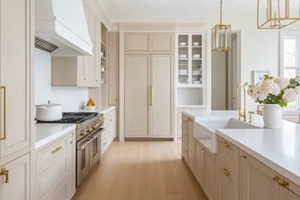
inviting kitchen showcases light beige cabinets and white marble tiles
  • Voice-activated appliances and lighting
  • Motion-sensor faucets and lights
  • Wi-fi-enabled refrigerators and ovens with remote controls
  • Automated climate controls

These innovations streamline everyday tasks in modern kitchens while helping homeowners reduce their overall carbon footprint. Experienced designers integrate these features without losing sight of the timeless warmth and charm of the ideal kitchen.

3. Mid-Century Modern is Back in Style

Mid-Century Modern is experiencing a revival in 2025, blending the modern desire for eco-friendliness with simple, timeless designs. Cabinets and other furniture pieces have become less ornate and more minimalistic, favoring clean horizontal lines that exude timeless elegance. For colors, designers are favoring organic tones with splashes of bright accents.

Kitchen designers use natural wood and stone to bring out the simplicity of Mid-Century Modern while dialing back some of its more retro stylings (think multi-colored stick-on tiles from every kitchen in the 50s). Instead, sleek, flat cabinets, open shelving, and stone counters create the classic streamlined edges while opening up the space. The result is a refined, uncluttered, and nostalgic space that remains functional and modern.

4. Natural Light is an Asset in Modern Designs

In a well designed kitchen, natural light is used to tie the modern look together by communicating sustainability, sculpting the areas of focus and function throughout the room, and opening up the space with its bright and welcoming atmosphere. With large windows or doors, modern designers can easily turn the kitchen into a beautiful focal point. Even without them, there are ways to bring natural light into the space to make it seem more spacious and functional than before:

  • Expansive glass doors or wall-high windows integrate indoor and outdoor spaces.
  • Skylights can make even small kitchen areas seem spacious without sacrificing any privacy.
  • Reflective surfaces such as high-gloss stone, tile, and metal materials help designers redistribute natural light to lower lit areas. 

From the floorplan to the choice of materials, modern homeowners and designers look for ways to strategically integrate as much natural light as possible to give kitchens an organic, airy, and grounded feel.

Book a Consultation with Maryland’s Top Kitchen Designers

a home kitchen

In 2025, ideal kitchens preserve a naturalistic appeal that has always been at the heart of their design. The designs have also become more sleek and minimalistic, favoring open spaces, clean lines, natural light, and sustainable materials.

At Southern Maryland Kitchen & Bath, our goal is to adapt modern design trends to our client’s visions for their kitchen remodels. While this list of trends provides common principles of modern designs, experienced designers adapt these trends to the qualities and limitations of specific kitchen spaces. Contact our experienced team to learn how we use high-quality materials and modern designs to create modern kitchens of luxury, without losing natural beauty and charm.

Filed Under: Kitchen, Remodeling

March 3, 2025 by Southern Maryland Kitchen Bath Floors & Design

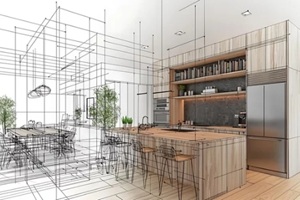
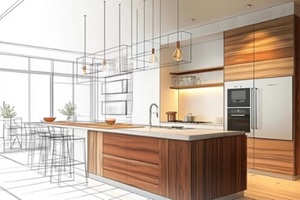
modern kitchen remodel with wooden cabinets and a sketch of the layout overlayed

Kitchen remodels are detailed projects that require careful planning, including assessments of the structural constraints of the space. Structural integrity is a key factor to consider before, during, and after a kitchen remodel to ensure the project goes smoothly and safely.

Without careful planning, your project could violate building codes, experience costly delays, or fail to structurally support its new additions. This guide addresses how Maryland homeowners can work around the structural constraints of their space when remodeling their kitchen.

Our goal is to help homeowners complete kitchen remodeling projects safely, stay in compliance with codes, and find experienced designers to address structural concerns throughout the entire process.

1. Assess the Foundation

The first step in working around structural constraints is to assess the existing foundation of the kitchen to determine its condition. This will allow your contractors and designers to ensure the stability of the structure while planning the remodel. When working without expert guidance, many DIY remodelers skip this process.

Experienced designers know that the foundation must be thoroughly vetted to ensure that it can withstand the remodel and remain compliant with building codes. This process includes noting which walls are load-bearing and how this could impact the remodel plans. Demolishing a load-bearing wall is dangerous and costly.

Additionally, many walls support plumbing and electrical systems and are difficult or even dangerous to alter. If your plans can not work around the load bearing wall and removal is necessary, an experienced designer will know to enlist a structural engineer for a safe and compliant support beam system.

2. Account for Load-Bearing Structures

In addition to load-bearing walls, your remodel plans should account for other load-bearing structures, such as floor joists. The frame and joists of the kitchen must be strong enough to bear the load of the furniture, counters, and appliances that will be added during the remodel.

This step should include repairing or replacing any joists damaged by rot, water, pests, or age. These repairs must be built into the remodel schedule and budget to ensure safety and compliance before proceeding with the full project.

3. Design for Efficiency

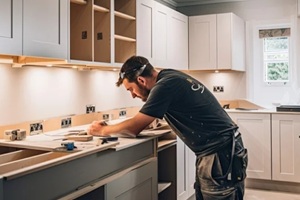
assembly of kitchen furniture during kitchen remodeling in new home

When working within structural constraints, the efficiency of the remodel is just as important as the aesthetics. Designing functional spaces requires careful attention to the intended workflow; in the kitchen this includes the distance between the refrigerator, stove, and sink. The goal of a remodel is to improve the functionality of the space rather than restrict it.

For example, many homeowners add islands to their kitchen designs to create more counter space without changing the walls. However, islands are not ideal for every kitchen and in some cases, they can take up so much floor space that they detract from the intended workflow.

Efficiency should be considered an art rather than a science when kitchen remodeling. This requires the designers and homeowners to collaborate to determine the optimal solution for the dream kitchen and budget.

4. Optimize Storage Space

The structure of the kitchen may restrict its storage capacity, but designers can work around these limitations. Using custom cabinets, islands, and built-in appliances, they can expand storage space and declutter the counters without expensive structural renovations.

Examples of space-saving designs include floor-to-ceiling vertical cabinets, pull-out shelves, toe drawers, built-in appliances, kitchen islands, floating shelves, and lazy Susans. These features can be incorporated into cabinets or built into the walls to save floor and counter space while creating an aesthetically pleasing display.

5. Use Aesthetics to Your Advantage

Strategic stylistic choices can help you achieve your ideal kitchen, even with structural limitations of the space. For example, strategically placed lighting can make a small kitchen feel more spacious while adding functionality by highlighting important workspaces.

Natural light is another important resource for kitchen remodels because it also impacts how large or small the room feels. An experienced designer will know how to utilize natural light to create inviting spaces within your structural limits.

They may employ glazed glass or mirrors to control light or strategically place metal surfaces to distribute it throughout the space. Explore materials like white birch which reflects more light than dark materials; these types of options can make your kitchen feel more spacious.

6. Follow Building Regulations

preparing kitchen for installation of custom new features in modern home improvement

Everything in your kitchen remodeling project is negotiable except for building regulations and permits, which are needed to guarantee that the project is completed safely. If you plan on changing the structure of the home, including changes to its plumbing and electrical systems, you will need to follow the relevant building codes in your area to ensure compliance.

The permit process is different in each location; find a design company familiar with the permit process in your area to make sure you stay safe and compliant throughout your kitchen remodel.

Book Our Trusted Maryland Kitchen Remodel Experts

At Southern Maryland Kitchen & Bath, we prioritize the needs of each kitchen remodel, including its structural constraints, to deliver dream kitchen designs for our clients. Our experienced team will never employ a one-size-fits-all solution to safety and regulatory compliance. Contact our experienced team today to learn more about the structural constraints in your kitchen and how our designers can help you work around them.

Filed Under: Kitchen, Remodeling

February 17, 2025 by Southern Maryland Kitchen Bath Floors & Design

bright bathroom remodel with lots of light

Natural light is an essential part of the beauty and functionality of your bathroom remodel design. When properly incorporated, natural light can enhance the space, improve its ease of use, and add accessibility. However, not all bathroom designs can easily utilize natural light, which is why modern designers prioritize windows, skylights, and mirrors to distribute, redirect, and utilize available light as effectively as possible.

If you live in a populated area where privacy is a concern, the placement and position of natural lighting can be even more valuable. Continue reading to learn how windows, skylights, and mirrors can impact your bathroom remodel and maximize its functionality.

How Windows Maximize Light

Windows provide the most direct way to increase natural light in your bathroom design. However, they may not be appropriate in all situations, especially when the house is located in a well-populated area.

Depending on the situation, your bathroom remodel design should utilize natural window light while strategically accounting for privacy concerns. Experienced designers can help you choose between different types of windows to maximize the functionality of your natural light, including:

  • Bay Windows: Bay windows are beautiful but large, allowing natural light to flood into the room, provided the space can accommodate them.
  • Frosted Glass: Frosted glass can provide much-needed privacy. It’s a stylish option for homeowners who want to incorporate natural light in populated areas.
  • Storm Windows: Storm windows are efficient and safely designed, allowing homeowners to introduce more natural light while preparing for inclement weather.
  • Custom Windows: With an interior designer’s help, windows can be customized to the needs of the space with the shape, functionality, elegance, and privacy that the homeowner requires.

This is not an exhaustive list of possible window types, but it provides homeowners and designers with a starting point to conceptualize their bathroom designs while keeping both privacy and functionality in mind.

How Skylights Maximize Light

Skylights provide an upscale option to enhance the natural light in your bathroom, adding beauty and functionality without sacrificing privacy. In areas with direct sunlight, skylights provide a flood of natural light that can accent the room without wasting electricity, leading to energy savings.

In a large open-plan bathroom, skylights can illuminate the entire space with natural light. Alternatively, smaller bathrooms can use multiple skylights to complement the layout. Using skylights requires strategic planning, but they offer an upgraded customization option for bathrooms that are able to accommodate them.

elegant bathroom with white and beige walls, white basin with oval mirror, bathtub, shower, plants, and dark parquet floor

Importantly, there are both fixed and ventilating skylights. Fixed skylights remain in place, while ventilating skylights can be opened, allowing residents to bring fresh air into the space as desired. The orientation, size, location, and type of skylight will change its impact on the room. 

Regardless of the type you choose, properly constructed and expertly installed skylights provide a visual expansion of the space, opening the ceiling into the sky and sunlight, while improving your energy efficiency by reducing the need for artificial lighting.

How Mirrors Maximize Light

Mirrors cannot produce natural light, but they can reflect and redirect natural light from other sources. With proper placement, style, and size, mirrors can make rooms appear fuller, more functional, and more beautiful.

However, mirrors can also reflect light inconveniently. If placed incorrectly, morning sunlight can be redirected into the user’s eyes or onto a metal accent surface. When strategically placed, mirrors allow designers to manipulate sources of natural light, while avoiding inconvenient glare.

Designers can also add to the functionality of a mirror with lighting sources that mimic or augment natural lighting. For instance, backlit mirrors can simulate natural lighting while distributing it evenly, avoiding direct glares.

Full-spectrum LED lighting can create balanced white light that feels natural, such as over the counter or under the sink. Cove lighting installed along the ceiling edges can create a soft accent that illuminates important features.

Maximizing the functionality of natural light while carefully mitigating its direct impact is a key task for modern bathroom remodel design teams. When working with designers, you will evaluate the limits of your space and the lighting systems that make the most sense, especially when you have the advantage of a natural light source to work with.

Contact Southern Maryland Kitchen & Bath to Design Your Dream Bathroom Remodel

bright and modern white bathroom with freestanding tub and large window overlooking greenery

Experienced interior designers can use natural light to create a more functional and beautiful bathroom space. Using windows, skylights, and mirrors, light can be strategically placed, reflected, and accented to illuminate important features and make the space feel larger while maintaining privacy for the users.

At Southern Maryland Kitchen & Bath, our interior designers focus on natural light as a source of functionality and beauty. Depending on the limitations of your space, we will outline the features that best complement your layout and maximize the impact of the available natural light. Contact our experienced team today to learn how we can use natural light to make your bathroom redesign more functional and beautiful.

Filed Under: Bath, Remodeling

January 20, 2025 by Southern Maryland Kitchen Bath Floors & Design

modern kitchen remodeling project in Maryland home

As kitchens have become central hubs for work and socializing, designing them for accessibility has become even more important. Inclusive kitchen remodel designs that accommodate residents of varying ages and abilities improve the comfort and flow of both the kitchen and the home as a whole.

Yet, accessibility is more than an accommodation for people with disabilities. Today, accessibility is a message that communicates comfort and multifunctionality to potential buyers. It defines a homeowner’s priorities, including their devotion to multifunctionality, and how comfortable the kitchen is to use on a daily basis.

When planning a kitchen remodel or even an initial construction, modern homeowners and designers should make accessibility a main priority in their designs. This guide to designing for accessibility will help you create a balanced kitchen that offers multipurpose functions in a modern space while remaining user-friendly to anyone who visits it.

What is Accessibility?

Accessibility implies safety and accommodation. People with variances in mobility, balance, and sight abilities should be able to use a kitchen space comfortably. However, modern kitchen designers also focus on another key area of accessible design: flexibility. Flexible kitchen designers consider every aspect of the space, including the layout, counter height, the location of appliances, and more to create a user-friendly space for everyone, accommodating multiple types of abilities.

Notably, accessibility does not have to come at the expense of style. Professional kitchen remodelers can help you realize your vision for your ideal kitchen while upholding standards of accessibility. They do this by considering the consequences of each design choice in detail.

For example, moving an appliance to a more convenient location changes the way people move through the kitchen. Lowering the height of the countertops may impact the available storage space which may need to be added elsewhere, and so on.

In other words, designers have taken accessibility to new levels in modern kitchen designs. As kitchens have become more multifunctional, accessibility itself has become more flexible, accounting for more design factors in each decision and making important accommodations for users of all abilities.

Key Accessibility Factors to Consider

Modern designers consider key accessibility factors when creating user-friendly kitchens, including:

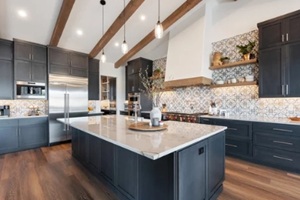
modern gray kitchen features dark gray flat front cabinets paired with white quartz countertops and a glossy gray linear tile backsplash
  • Navigation: Navigation, including entryways and throughways, should be adjusted to accommodate different types of users. Modern user-friendly kitchens include enough space to allow wheelchairs to turn, where applicable, and multiple people to enter, use, and exit the kitchen at the same time. 
  • Floorspace: Adequate floor space is key to allowing enough room to use appliances and cabinets while keeping the kitchen throughway open. If the kitchen includes an island, there should be at least 3 feet of space around the edge on all sides.
  • Countertop and storage space: Countertop and storage space are critical to making kitchens more user-friendly. Pantry shelves should not be placed higher than 3.5 feet to accommodate most users.
  • Appliance, sink, and stove location: Appliances should be arranged to encourage ease of use. For example, microwaves should be placed at counter height to make transporting food easier. Stoves should have front controls that are easy to reach and counter space on either side.

Professional designers can go into even greater detail with modern kitchen designs. They consider the locations of outlets, the most likely routes from the sink to the stove, the location of trash cans, and more to create spaces with maximum accessibility.

How to Design a More Accessible Kitchen Remodel

To think like a professional kitchen remodeler, consider these steps to designing a more user-friendly kitchen:

  1. Assess Needs: Residents with specific needs should have those needs addressed in their kitchen designs. However, the needs of average users can also be accommodated with user-friendly design choices, such as the locations of appliances, sinks, and outlets.
  2. Create a User-Friendly Layout: Floorspace, counter space, shelf height, and flow contribute to the kitchen’s usability. A user-friendly layout has clear paths between key points such as the sink and oven, enough floor space to accommodate multiple users, and room to open and close cabinets and doors without obstructing throughways.
  3. Prioritize Safety Features: Professional designers prioritize safety features to make kitchens more user-friendly. Ovens should have forward or side-facing burner controls with clear counter space on either side. Microwaves should be placed at counter height. There should be enough floor space to allow multiple people to use the kitchen without crowding each other.
  4. Innovate Storage: Maximizing storage space is a key concern for modern kitchen functionality. Designers can innovate on storage with toe drawers, built-in appliance storage, vertical shelving, and more to make everything easier to store and find.

Book a Consultation with Our Professional Maryland Kitchen Remodelers

luxurious kitchen with a large island, gold faucet and sputnik chandelier, stainless steel appliances

Accessibility is a significant factor in the quality of a modern kitchen design. Modern designers can accommodate users of all ability levels and ages, increase the resale value of the house, and improve the comfort of the current residents by prioritizing accessibility.

At Southern Maryland Kitchen & Bath, our team prioritizes usability in kitchen remodels and designs to create spaces that are centerpieces for sociability, usability, and functionality. Contact our experienced team today to learn how our team can bring your dream kitchen to life with user-friendly, multifunctional designs.

Filed Under: Kitchen, Remodeling

January 13, 2025 by Southern Maryland Kitchen Bath Floors & Design

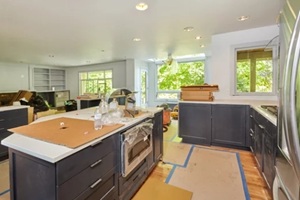
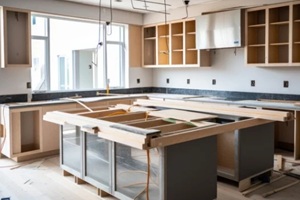
ongoing kitchen remodeling project

Kitchen remodels can be intricate processes that require careful consideration. Relying on a professional for the remodel, allows homeowners to benefit from expertise, especially in identifying red flags and initiating repairs before proceeding with the project. Structural integrity is non-negotiable for any remodeling project, not only to maintain safety and regulatory compliance but also to prevent costly mistakes.

To help you avoid common structural constraints in kitchen remodeling, consider the following factors before beginning your project, including frame assessments, building code compliance, permit approval, and more.

Kitchen Remodel vs Kitchen Renovation

A kitchen renovation is usually smaller in scale when compared to a kitchen remodel. Renovations typically make minor upgrades to the kitchen’s aesthetics without changing its structure. Popular renovations include getting new cabinet finishes such as knobs and pulls, or replacing external hinges for internal hinges. Upgrading one or more appliances, modernizing lighting fixtures, or repainting the walls are other common renovations.

Conversely, a kitchen remodel alters the structure of the room with a new layout or addition, or blending two rooms to create more space. This distinction is important for homeowners to understand because while a renovation is often a good match for a DIY project, a remodel usually requires the experience of a professional interior designer to maintain structural integrity throughout each step of the process.

Steps to Assess Structural Constraints

These steps can help you prioritize safety and compliance in your kitchen remodeling project. While color, millwork, and other details often preoccupy DIY home designers, professional home remodelers know that structural foundation should be the priority.

1. Assess Foundation

The first step is to look at the room’s structural foundation and ensure it can withstand the remodeling process. The walls, beams, and supports hold up the weight of the room while the floor joists support its load. These structures should be reviewed for safety compliance and condition before proceeding.

2. Assess Capacity

newly remodeled kitchen

As part of the foundation assessment, make sure the frame and joists are capable of bearing the load of any add-ons you might be planning. It’s not enough to assess the foundation’s current condition if new cabinets, appliances, kitchen islands, counters, and more will be added during the remodeling process.

Always plan ahead to incorporate the new predicted weight capacity of the room when testing its structures.

3. Inspect for Damage

While checking the capacity and integrity of the room, inspect for damage to the foundational supports, beams, and floor joists. Any signs of damage such as wood dust or cracks should be a red flag to inspect the foundation further. The root cause of any wood rot, infestations, or sagging should be addressed before proceeding with the remodel.

Benefits of Professional Structural Assessments

A professional structural assessment offloads a complex regulatory task from the homeowner to skilled kitchen remodelers. When hiring a professional remodel team, they should have experience conducting inspections, making load-bearing calculations, and more. Consider how a professional remodeling team can help complete your project with these key benefits:

  1. Knowledge and Experience: Professional remodelers understand the permit process in the local area as well as building code and regulatory requirements. They have experience conducting damage assessments and are more likely to notice key details missed in a homeowner’s DIY assessment.
  2. Safety Assurance: Professional remodelers ensure stability in their new constructions while assessing the condition of existing ones. During their assessment, they will check for damage and code violations to ensure your foundation is compliant and safe.
  3. Financial Savings: Professional assessments help homeowners future-proof their homes against damage and code changes by modernizing the structure during the remodeling process.
  4. Regulatory Compliance: Professional remodelers understand the regulations in your area, keeping your project compliant. If you need permits for the remodel, they typically apply for these.

Where structural integrity is concerned, early detection is key for a smooth remodel. This will help in maintaining compliance with building codes and permits, and avoid costly setbacks. While homeowners can research local regulations, structural issues, and code violations independently, a professional kitchen remodeler is better positioned to help you realize your ideal kitchen without sacrificing safety in the process.

Start Your Maryland Custom Kitchen Remodel with Professional Guidance

kitchen remodeling before and after

Homeowners often confront unforeseen challenges during kitchen remodels. Structural integrity is a major concern since inaccurate damage assessments can lead to code violations, costly equipment failures, and unsafe additions.

To keep themselves and their families safe, homeowners turn to experienced remodelers to guarantee safety and maintain regulatory compliance throughout the remodeling process.

At Southern Maryland Kitchen & Bath, we prioritize structural integrity when remodeling and designing kitchens. Contact our experienced team today to learn how our history with kitchen remodeling projects will help us bring your dream kitchen to life while accounting for your unique constraints. Avoid the costly inconvenience of a second kitchen remodel by hiring well-informed designers to do it right the first time.

Filed Under: Kitchen, Remodeling

December 23, 2024 by Southern Maryland Kitchen Bath Floors & Design

minimal kitchen remodel design of a MD modern home

For homeowners ready to remodel, renovate, or build their ideal kitchen, matching their additions to the existing architecture is key to creating elegant, yet functional kitchen spaces. When done right, a kitchen remodel can become the social focal point of the home, a space in which everyone will want to congregate and enjoy.

If you’re planning a kitchen remodel, use the following leading architectural guidance to introduce new designs without disrupting the flow of the home. These simple steps can help homeowners and interior designers remodel their kitchens while staying true to the overall architecture.

Study the Style

Homes styles vary from Craftsman, Victorian, and Colonial to Tudor Revival, Mission, and Modernist. Start with an understanding of the overall architectural intentions of the home; this is an elementary key to designing a kitchen that matches.

The style will directly impact the features at your disposal when designing your new kitchen. Modernist homes favor sleek, minimalistic designs with hard edges. Homes in the Victorian style thrive on millwork flourishes and ornate decorations. Understanding the style will allow you to implement the proper techniques to emulate the existing designs.

While homeowners can do research to learn more about their home’s style, experienced remodelers and designers are equipped with the knowledge of numerous architectural styles and the designs that best communicate them. Designing the ideal kitchen requires a careful combination of several components, including materials, to avoid wasting time and money on features that fail to capture the style of the specific home.

Choose the Right Kitchen Remodel Materials

Matching the style is only the first step toward a kitchen that compliments the overall architecture. The choice of materials is another key factor in matching the room’s design to the flow of the home. For example, houses in the Craftsman style favor natural materials and warm, inviting spaces.

For a Victorian-style home, you may decide on more ornate millwork flourishes and darker materials to compliment the vibe of the rest of the home. In a Modernist home where the feel is sleek, chrome, marble, and painted wood accents may be more appropriate. Conversely, those chrome elements may be less appealing in a Victorian home.

newly build ktichen

The right materials can guide a kitchen remodel toward the overall architectural style. Designers and homeowners should question how specific material choices impact the style, including what materials complement existing design choices and which may clash.

Understand Proportions

The proportions of the kitchen’s design, which is the ratio of space taken up by each of its elements, influence how its architectural style will be perceived. Different eras of interior design crafted kitchen spaces differently in terms of form and function. Today’s homeowners and designers should recognize this relationship when remodeling their spaces.

For example, cabinet height is relative to ceiling height in different proportions depending on the architectural style. For Craftsman-style kitchens, cabinets often occupy space on the wall over the counters. In a more minimalistic Modernist style, they may be built vertically from the floor to the ceiling.

The kitchen island is another key aspect of these proportions. Modern architectural styles emphasize the island as a focal point of the kitchen’s social space, even as a makeshift workspace. Size matters; an oversized island that occupies too much space creates tighter walk areas, and can also detract from other highlights of the room such as custom cabinetry or premium appliances.

By understanding architectural proportions and features, designers can match the kitchen to the home’s overall architecture in both style and function.

Focus on Symmetry

Architectural symmetry plays a key role in helping designers refine their kitchen designs. Symmetry adds harmony to the ambiance of a kitchen, though not all architectural styles value symmetry in the same way. This means that without the right definition of symmetry, your kitchen spaces can be well-organized yet mismatched to the home’s overall style.

For example, the ornate millwork common in Victorian-style homes relies on symmetry to captivate the viewer’s eye and create an impression of elegant balance. In more modern spaces, symmetry often has a more functional purpose, stripping the space of unnecessary flourishes in favor of hard edges.

Understanding symmetry helps designers organize the space to communicate and create the right associations. The warmth of a Craftsman space and the elegant functionality of a Modernist space cannot be designed the same way.

Contact Southern Maryland Kitchen & Bath to Craft Your Dream Kitchen Remodel

luxury kitchen interior with new stylish furniture

Since kitchens have become social gathering places and even integrated workspaces, homeowners emphasize this space as the focal point of the entire home. Interior designers apply their knowledge of architectural styles, including spatial proportions, materials, and symmetry, to design kitchens that enhance the overall atmosphere and vibe of the home.

Homeowners can match their kitchen designs to their home’s existing architecture by recruiting skilled remodelers with knowledge of how to communicate a style using flooring, cabinets, counters, appliances, colors, materials, and more. Contact our team today to learn how Southern Maryland Kitchen & Bath can prioritize your kitchen remodeling tasks to build elegant kitchen spaces that complement the rest of your home.

Filed Under: Remodeling

  • « Go to Previous Page
  • Page 1
  • Page 2
  • Page 3
  • Page 4
  • Page 5
  • Go to Next Page »

Primary Sidebar

Get In Touch

23415 Three Notch Road #2025
California, MD 20619
(301) 241-0702

Link to company Facebook page

Link to company LinkedIn page

Link to company Instagram page

Link to company Yelp page

Link to company Houzz page

Request Consultation

Company

  • About Us
  • Blog
  • Careers
  • Contact
  • Financing
  • Portfolio
  • Products
  • Reviews

Services

  • Additions
  • Basement Remodeling
  • Bathroom Remodeling
  • Custom Closets & Cabinetry
  • Design Retainer
  • Flooring Services
  • Kitchen Remodeling
  • All Services
Southern Maryland Kitchen, Bath, Floors, & Design logo light

© 2026 Southern Maryland Kitchen Bath Floors & Design|Powered by 321 Web Marketing|Privacy|Accessibility

Synchrony Bank logo
Mastercard logo
VISA logo
American Express logo
Discover logo