

• Skip to primary navigation
  • Skip to main content
  • Skip to primary sidebar

Southern Maryland Kitchen, Bath, Floors & Design

Southern Maryland Kitchen, Bath, Floors, & Design logoSouthern Maryland Kitchen, Bath, Floors, & Design base logo

California, MD Home Remodeling

(301) 241-0702
23415 Three Notch Road #2025, California, MD 20619
Reqest Consultation
  • Services
    • Bathroom Remodeling
    • Basement Remodeling
    • Custom Closets & Cabinetry
    • Design Retainer
    • Kitchen Remodeling
    • Flooring Services
    • Additions
  • Products
    • Bathroom Fixtures
    • Cabinets
    • Carpet
    • Carpet Tile
    • Countertops
    • Glass Tile
    • Hardwood
    • Heated Flooring
    • Laminate
    • Luxury Vinyl
    • Natural Stone
    • Tile
    • Vinyl
    • Waterproof Flooring
  • Financing
    • Kitchen Remodel Financing
    • Bathroom Remodel Financing
  • About Us
    • Blog
    • Careers
    • Contact
    • Portfolio
    • Reviews
  • Request Consultation

Southern Maryland Kitchen Bath Floors & Design

April 22, 2026 by Southern Maryland Kitchen Bath Floors & Design

In This Guide: We review why a kitchen designer is essential for a modern kitchen remodel, including how they can enhance the value, functionality, and appeal of your finished project.
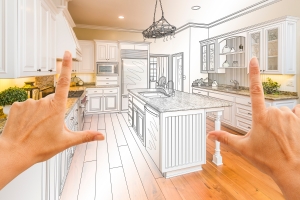
Designer Hands Framing Gradated Kitchen Design Drawing and Photo Combination

For many homeowners, planning a kitchen remodel is a deceptively easy process. At first, it may seem like a simple matter of choosing the right tiles, appliances, and backsplashes, with a budget that reflects the cost of everything they want to buy. With online planners and visualization tools, it’s never been easier for homeowners to take control of their projects and hire builders to execute their visions.

Yet if kitchen remodeling is so simple, why do 78% of homeowners go over budget on home remodels? Why do nearly 2 in 3 go into debt to finance a remodel? Kitchen remodels are complex processes that most homeowners could never realize on their own. They require careful planning, generous budgeting, and strict priorities. Once a remodel begins, unforeseen incidents or discoveries can change everything.

  1. Designers Plan for Every Possibility

Of the homeowners surveyed in the budget study, 78% of whom went over budget in their remodels, 87% reported encountering unforeseen challenges in their last project. Over half of remodels were behind schedule, and nearly a third involved firing staff partway through the project.

Experienced designers plan for factors most homeowners fail to consider, such as permit delays, material shipping delays, and other unforeseen events. If a remodel involves demolition, builders may uncover issues such as pest infestations, out-of-code plumbing and wiring, or structural damage. These issues lead to delays and additional project costs, but this isn’t the full scope of the problem.

Builders can respond to structural issues by extending the project length and taking on the extra work, but they aren’t qualified to redesign it in response to these incidents. Budgets balloon out of control when unforeseen incidents lead to additional labor and material costs, with no adjustments to the overall plan.

How Designers Can Help: Designers know the project’s vision from the beginning and can prioritize it in light of unforeseen circumstances. If structural damage makes a certain addition too expensive or less feasible, such as a kitchen island or a new built-in, designers can reorient the design to achieve the vision without letting costs get out of control. 

  1. Designers Coordinate Multiple Workflows

Woman Designer Selecting Color for Kitchen

Kitchen remodeling requires many home renovation professionals working together toward a common goal. This includes builders, contractors, material suppliers, laborers, and more. Designers help coordinate multiple workflows by planning creative solutions to problems, maximizing space to make the best use of materials, and shifting gears when something unexpected changes the plan.

Homeowners may not have the insights needed to choose different materials in response to unplanned delays or budget changes, or to maintain the aesthetic appeal of their remodel while changing the layout. Builders can complete the work they’ve been assigned, but they may not be able to coordinate with other firms or alter the project’s trajectory. Designers help at every step to maintain consistency and coordinate across teams, filling these knowledge gaps with their experience.

What to Look For: Designers can outsource to various contractors and material suppliers, or partner with in-house contractors to complete the work. Prioritize designers with established partners, as their relationships can help projects run smoothly or change direction more quickly when needed.

  1. Designers Create Confident, Functional Layouts

Many homeowners have ideas for the kitchen they want, but a functional kitchen layout begins with a complete grasp of the space, including its limitations. When homeowners take on the responsibility of hiring builders to translate their aesthetic vision, they put themselves in a stressful, vulnerable position.

Experienced kitchen designers step into a project from the beginning, listen to a homeowner’s vision, and translate it into a design that’s feasible for their space and budget. Remodeled kitchen layouts should be optimized for real-world functionality, which can include maximizing storage, creating multifunctional work stations, and planning a more sustainable, energy-efficient space.

Design Examples: Kitchen islands remain a trend in kitchen remodels, but not every kitchen space can handle one. A builder’s job is to execute a plan, but a designer’s job is to create a plan that makes sense within the limitations of the space and the homeowner’s budget.

Local Design Teams Plan Custom Kitchen Remodels

Designer Showing Kitchen Design to Clients in Laptop

At Southern Maryland Kitchen & Bath, our design team follows kitchen remodeling trends, but we are never restricted by them. Our goal is to connect homeowners in Maryland with home renovation professionals who share the common goal of turning your vision into reality. We provide a one-stop shop for kitchen and bath remodeling, partnering with in-house contractors and tradesmen to give homeowners much more than a simple building service.

Contact us today and schedule a consultation to learn how our years of experience can enhance the functionality, aesthetics, and value of your kitchen remodel in 2026 and beyond.

Filed Under: Kitchen

April 13, 2026 by Southern Maryland Kitchen Bath Floors & Design

In This Article: A snapshot of modern design trends in spring 2026 to help homeowners and designers create renewed kitchen spaces, including: Spring kitchen remodeling ideas, Kitchen renovation tips for the new year, Material, color, and layout suggestions, Seasonal decor ideas for spring. This article can help you get a head start on spring, but local contractors remain the best resource for all your kitchen remodels and refreshes.
Modern Kitchen Design with Black and White Interior

Spring is upon us, which means homeowners everywhere are ready to clean, refresh, and remodel their kitchen spaces to match the energy of the new year. For kitchen designers and home builders, this enthusiasm represents a prime opportunity to capture spring trends, introduce creative ideas for color palettes and materials, and revisit layouts to enhance functionality.

Kitchen Color Trends: Warm Tones, Off-Whites, and Sharp Accents

In 2026, kitchen remodeling trends have turned away from stark whites and greys toward warmer, more inviting tones. Wood colors, off-whites, and creams give kitchens a more welcoming feel, reasserting more natural neutrals over the harsher palettes that have dominated for the last few years.

To complement these neutrals, designers are turning to sharp accent colors, prioritizing natural yet bold choices. Pine and sage green can make a great accent for a kitchen island, cabinet installation, or tile backsplash. For a different mood, pastel blue can bring a peaceful energy when used sparingly, such as in wall or countertop accents.

Essential Takeaway: Color trends in 2026 kitchens, much like spring, are moving toward more natural, inviting tones.

Multi-Functional Designs: Traditional Details, Modern Organization Solutions

Several traditional casework and millwork details are making a triumphant return to contemporary kitchen aesthetics. Cabinets with raised panel doors are becoming popular again, as is architectural millwork. Examples include built-in casework, decorative arches, ceiling beams, and more. Homeowners are looking for signature details that add elements of craftsmanship and bespoke beauty. Case in point: though it was once viewed as outdated, even brass and gold cabinet hardware is being reconsidered as a high-end accent against more natural color trends.

Despite traditional visual details making a return, storage organization and cabinet design continue to move forward. Homeowners want to maximize their kitchen storage space and keep their counters as clutter-free as a showroom. This means creative cabinet construction with bespoke storage solutions, including built-in appliance integrations in islands and cabinets, toe drawers and pull-outs, utensil inlays, vertical cabinets, dedicated pet drawers, drying rack and cutting board inserts, storage canisters, and more.

Essential Takeaway: Functional kitchen layouts in 2026 prioritize smarter storage constructions on the inside while displaying traditional detailing on the outside. This combination of old and new will likely continue to define homeowners’ design expectations moving forward. 

Spring on the Waterfront: How Maryland Homeowners Bring the Beach Indoors

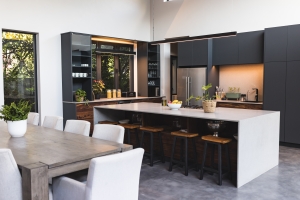
Bright Modern Kitchen with Center Island in A Waterfront Home

There are distinct differences between the aesthetic trends in urban Maryland and those of the coastal areas and more traditional scenic neighborhoods. As homes move farther from cities, designs tend to be more homey and traditional, reflecting the coastal aesthetic. This includes more traditional cabinet paneling, more distinct cabinet hardware, and a conscious use of blue accents, such as stark navy cabinets or backsplashes against a warm neutral wall.

This is a countertrend to the last decade or so of kitchen design wisdom, which has prioritized stainless-steel accents as a shortcut to cleanliness. Today, homeowners are much more likely to pick up on the pastel and natural vibes of their surroundings, especially near the coast, and they’re asking designers to be bolder about incorporating that energy into their kitchen spaces.

Multifunctionality Is the New Luxury in Kitchen Layout Design

With so many people working from home in 2026, multifunctionality in kitchen storage and work design has become a necessity. Design trends include multifunctional counter surfaces with hidden workstations, charging ports, and other built-ins. Lighting is also a core concern, since it may need to serve as focused lighting for kitchen work areas and other work at all hours of the day.

Based on available natural light, the layout of the walkways and workstations, and the owner’s needs, your spring redesign can put lighting at the forefront to maximize utility in the kitchen, regardless of its functions.

Refresh Your Contemporary Kitchen Design With a Professional Remodel

Hands Holding Tablet with Kitchen Interior Sketch

At Southern Maryland Kitchen & Bath, our designers recognize the local trends in Southern Maryland’s kitchen designs, but they’re not restricted to them. Our first goal is to align our work with the designer’s, builder’s, or homeowner’s vision, whether they have a new home to design or simply want to remodel their kitchen to capture the spirit of spring in 2026.

Our team provides a one-stop shop for kitchen design and remodeling, including our in-house team of contractors and tradesmen who work together to bring your designs to life. The best trends remain relevant for years to come, which is why it’s so important to have an experienced team that can distinguish between a valued design trend and a temporary fad. That’s why we always match the design to the home’s value, heritage, and potential future needs.

Contact our team and schedule a design consultation to learn how we can incorporate modern kitchen renovations and designs into your spring remodel.

Filed Under: Kitchen

March 23, 2026 by Southern Maryland Kitchen Bath Floors & Design

Older Couple Enjoying Coffee in Newly Remodeled House

Aging in place (AIP) is a healthy mentality for many older adults. It gives them the chance to live out their remaining years in their own home, often surrounded by family memories and belongings, without making the physically and emotionally strenuous transition to a care facility. With modern at-home care providers, many older adults can successfully continue to live at home. However, the home may have been bought years, even decades ago, and may not be convenient or physically safe for them to live in.

Before the home becomes dangerous for you or your loved one, strategic remodeling can help refine the home for your current goals while preparing for your future needs. This article covers tips and strategies for successfully planning an aging-in-place remodel to help prepare for the future with less stress for the elderly adult and their family.

Why Are People Aging in Place?

As many older adults want to remain in their homes, family members may question whether this is the best strategy for their loved one. While aging in place may pose physical and mental risks, it also presents many benefits that can keep older adults and their families’ lives running more smoothly. These benefits include:

  • Maintaining a sense of independence
  • Staying connected to their community
  • Saving money on housing costs
  • Having a higher standard of mental health*

*According to numerous scientific studies, aging in place provides many benefits, including relief from anxiety/feelings of loneliness and increased mental acuity, likely stemming from continuing to live in familiar surroundings.

The Challenges of Aging in Place

Despite these benefits, aging in place may present challenges. As elderly adults continue to age, their physical and mental condition often declines, leading to issues with continuing to live in a home they bought years or decades ago. Homes with stairs, large homes, and even homes with certain types of flooring can become inhospitable or dangerous as the homeowner ages.

How To Remodel Homes for Aging in Place

Senior Couple Sitting at Table and Looking into Blueprints of Their Aging-in-Place Remodel Layout

One of the best ways for older homeowners and their families to prepare for aging in place is to pre-emptively remodel the home. For some older adults, this can be a significant change to their routine. The goal is to create sensible adjustments that balance aesthetics and functionality as the family prepares for the future.

  1. Rethink the Layout

One of the most significant changes homeowners can make to prepare for aging in place is to reconsider how their home’s layout will impact their future mobility. Homes with stairs or sprawling layouts can be difficult to adapt and may require more consideration.

However, in many homes, simple changes can go a long way toward making the layout more livable in later years. To use the kitchen as an example, counters and appliances can be lowered to prevent reaching. Built-in pull-down or pull-out shelving can provide easier access to amenities without requiring bending over.

For bathrooms, shower curbs and step-in tubs may no longer be viable. Walk-in tubs can be installed, as can built-in shower seating to enhance safety. The goal of these bathroom remodels is to provide luxury amenities with future mobility in mind. 

Pro Tip: When redesigning a senior’s home, aim for more open floor plans where possible to prepare for the possibility of wheelchair access.

  1. Reconsider the Flooring

Flooring decisions were likely made when the home was built or when the homeowners were much younger. A 2023 report from the Centers for Disease Control and Prevention (CDC) shows that falls account for around 3,400 deaths among U.S. retirement-age adults every month, making reducing tripping hazards a primary goal of an aging-in-place remodel.

Carpets can bunch up over time or form lips that can act as tripping hazards. Additionally, they may be difficult to clean. Tile provides a clean alternative, but it may not be in every homeowner’s budget. Luxury vinyl plank (LVP) provides a good compromise between aesthetics, safety, and usability. It can be visually customized to match the look of stone, tile, hardwood, and more, while remaining easy to clean and repair, even as the homeowner ages.

  1. Improve the Lighting

As our loved ones age, lighting can transform from an afterthought into a core safety feature of the home. Lighting should be bright, warm, and functional, providing strategic task lighting in high-usage areas such as kitchens and bathrooms. This can be achieved in remodels by integrating lighting into custom cabinetry, counters, range hoods, and more. Flat-panel light switches, combined with remote-controlled options, can provide even greater accessibility and help predict future changes in their physical capabilities.

Local Designers Can Help You Plan for the Future

Middle Aged Couple Meeting with Local Home Designer for Aging in Place Remodeling

At Southern Maryland Kitchen & Bath, our team of designers and in-house tradesmen and contractors works with homeowners and families to create aging-in-place remodels that align with current goals and future needs. Our goal is to be a one-stop shop for your remodeling project by coordinating with your and your loved one’s needs, while communicating budget and service expectations at every step of the way.

Contact our team and schedule a design consultation today to learn more about how we can help you or your elderly loved one achieve peace of mind in the family home with strategic aging-in-place remodels that prepare for the future.

Filed Under: Remodeling

March 16, 2026 by Southern Maryland Kitchen Bath Floors & Design

Modern Kitchen Design with Black Cabinets

Kitchen designers look for new ways to keep their spaces fresh and personal, without losing modern functionality. In 2026, more people are working partly or fully from home than ever before, leading to a high demand for kitchens that combine warmth and comfort with a sense of professional continuity and multi-functionality.

When designing a modern kitchen, interior designers look to local styles, material trends, lifestyle choices, building limitations, and existing architecture to make informed decisions about their custom millwork choices, layouts, and more.

In This Article: Learn about some of the most popular and functional kitchen design trends for 2026 that designers use to capture their clients’ visions and bring their designs to life.

Seamless Storage Designs Save Space

One major trend in kitchen designs is to create integrated storage spaces that save on real estate and create a more seamless experience. Designers use vertical cabinetry and custom-built shelving to extend storage options vertically, decluttering the counters and creating new visual focal points.

Another popular method is to integrate storage directly into cabinets and islands, using more than conventional pull-outs. Toe-kick drawers, integrated kitchen island appliances, and custom inlays are just some of the ways modern designers offload the need for more space onto versatile hidden-storage designs. 

Warm and Natural Colors Elevate the Mood

Natural is now “neutral” for many modern homeowners. Greys and stark whites are being phased out in favor of creams, beiges, honeys, and other organic tones that evoke the softness and warmth of nature. Harsh tile floors are being rethought using luxury vinyl plank, which emulates the look of natural hardwood without the moisture issues or wear and tear.

Combined with natural light, these colors create an inviting space that goes beyond day-to-day functionality. Natural stone and brushed-metal accents add layers to the natural look, resulting in a sense of sustainability, another high priority for modern homeowners. Contractors can work with sustainable materials, including reclaimed wood, glass, and stone, to fulfill the owner’s vision for a natural, environmentally conscious space.

According to modern owners, being in the kitchen should be a relaxing experience from the ceiling to the floor. Designers aim for natural textures, colors, and materials to bring this grounded feel to life.

Surfaces Are Sturdier Than Ever

Sturdy Marble Surface of A Modern Kitchen Counter Top

With more people working from home, kitchens are busier than ever. Designers prioritize high-durability natural and engineered materials to give kitchen surfaces more resistance against wear and tear. Modern kitchens favor high-usage materials such as quartz to resist heat, spills, scratches, and stains in busy households, and they’re not shying away from its natural expressiveness. Bold quartz veining gives modern owners the natural appeal they’re looking for, not only on countertops but also on decorative backsplashes and high-end accents.

Smart Integration Means More Conveniences

Smart technology has only gotten smarter in the last few years, and in 2026, designers and homeowners continue to go all-in on the latest conveniences. Fridges, dishwashers, and ranges are now built into the counter, cabinet, and island layouts. They’re voice-activated, touchless, and equipped with adaptive lighting sensors to create a complete experience.

The goal is ease of use combined with modern luxury, as many kitchen owners can now enter the flow of their daily routine, start up their appliances, and watch the lighting adjust to their needs at any time of day, even in a busy household. Since everything is integrated and seamless, the additional customization doesn’t result in any loss of floorspace or additional clutter.

Multi-Functional Lighting Makes Kitchens More Useful

Multi-functionality is a major trend in modern kitchen design, in large part due to the prevalence of people working from home, which adds to the need for seamlessly functional spaces that can double as social settings and temporary workspaces. To that end, modern designers integrate features throughout the kitchen to make the owner’s life easier, such as hidden workstations, charging ports, and adaptive lighting.

Rather than focusing solely on mood, these new concepts extend the kitchen beyond its traditional role as a gathering and cooking space. For example, careful placement of under-counter or edge lighting can help prevent kitchens from becoming less functional as the day progresses. Many homeowners need to continue using their kitchens for work and relaxation throughout the evening and night, which is why careful planning of natural light and artificial lighting is becoming a significant trend in modern design.

Local Contractors Help Owners Elevate Their Modern Kitchens

Local Contractor Explaining Modern Kitchen Design to Couple

At Southern Maryland Kitchen & Bath, we provide homeowners with a one-stop shop for kitchen design, remodeling, and renovation services. We work with a dedicated team of contractors and tradesmen to create kitchen spaces that follow modern trends without sacrificing your distinct vision. Our goal is to use craftsmanship, experience, and communication to provide the natural flow, multi-functionality, and seamless living that your kitchen deserves.

Contact our team today to learn how our designers create modern kitchen spaces for the needs of designers, homeowners, and families in Southern Maryland.

Filed Under: Kitchen

March 9, 2026 by Southern Maryland Kitchen Bath Floors & Design

Drawing of Modern Kitchen Design on A Slab

Home renovations can refresh a living space into a new, more modern, or more ambitious vision. A new kitchen design, for example, can make daily living more enjoyable, increase the home’s resale value, and impress visitors. Yet, despite the possible rewards, renovations come with challenges, many of which go unnoticed by homeowners until they become unavoidable project delays, unexpected costs, and even legal issues.

In This Blog: Take an in-depth look at common renovation mistakes, how to avoid them through smarter planning, and how a kitchen designer can help simplify the process.

An Underestimated Budget Can Lead to Headaches Later

The budget for a kitchen renovation depends on the project scope, the home size, and the work required. However, this is only the first step to creating a transparent financial picture of the completed project. Many homeowners make the mistake of adding up materials, labor, and permitting costs without leaving room for additional expenses.

For example, many renovations uncover issues that must be addressed before the project can continue, such as pest infestations, outdated plumbing or wiring, or other structural deficiencies that aren’t up to code. Unexpected weather events can delay projects. Supply chain shortages can affect material prices.

To avoid going over-budget, leave a safety net of 10-20% in the budget to handle unexpected issues, extra labor costs, and delays. Compare quotes from multiple contractors to view your options. Itemize costs as thoroughly as possible to verify everything is accounted for, and nothing is compromised in completing the project safely.

Inconsistent Communication Can Cause Delays or Rework

Communication among contractors, installers, and owners is essential to a successful kitchen remodel. Even with a minor upgrade, multiple steps in the process must fall into place for the project to run smoothly. If the installers don’t have a clear timeline for the inspection, or the material orders aren’t ready when the permits are approved, the project can take longer and cost more than the homeowner anticipated.

The right contractor for your kitchen remodel will establish clear communication among all relevant parties and provide transparent updates throughout the project. If an unexpected delay or repair causes a budget change, homeowners need to know their options to get the project back on track. This could mean selecting different materials or removing certain aspects of the project to reduce the budget.

Inefficient Layouts Lead to Less Value Optimization

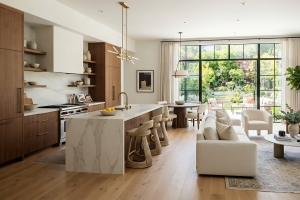
Modern Contemporary Kitchen with White Interior

Designing a kitchen renovation layout requires making decisions with the design intent in mind. While homeowners may ask whether something will look nice, an experienced kitchen designer will ask how its purpose fits into the broader vision. Each addition should reflect the space’s ultimate goal, avoid mismatched styles, and maintain a consistently practical vision.

For example, many homeowners now work at home or in a hybrid work model. The value of integrated workstations and multipurpose kitchen designs has increased, and many homeowners want to add that value to their homes while making their daily lives easier. A renovation can achieve this by changing the kitchen layout, adding built-ins, and finding multiple purposes for existing features. However, the larger vision of creating a multi-purpose workspace must be clearly communicated from the start so the layout can be designed with efficiency in mind.

Expensive issues arise mid-renovation when the design purpose is not clearly established, and the layout must be adjusted to match the functionality midway through the project. Kitchen designers who are involved from the start can consider choices from all angles, including functionality and multi-functionality, to make sure the final result aligns with the intent.

Low-Quality Materials Lead to Short-Term Renovations

When selecting materials for a project, many homeowners make the costly mistake of overemphasizing aesthetics and underprioritizing the context of their choices. Beautiful materials may seem to add value to a renovation, but they cannot always maintain their value over the long term.

For example, kitchens with wood accents can be bold and rustic, transporting users to the textures and colors of the outdoors. However, not every type of wood is suitable for this space. Pine and cedar may be beautiful and, in the case of pine, affordable. Still, they scratch and dent more easily than other hardwoods, need extra sealant to be effective in high-moisture environments, and more easily absorb grease. Red oak and chestnut are two other beautiful options, but these open-pore woods are difficult to keep sanitary in a kitchen space. They often absorb food, smells, and bacteria, leading to long-term issues.

Kitchen designers know what types of wood and other materials will work best in a kitchen. Their expertise helps homeowners avoid the costly mistake of choosing aesthetics over functionality. Hard maple butcher blocks, smooth-grain cherry counters, and birch cabinets are three examples that are safer and more durable over the long term. Experienced designers can help you match the look, feel, color, and function to the right materials to avoid expensive repairs and rework later.

Renovate Your Kitchen the Right Way With a Professional Designer’s Help

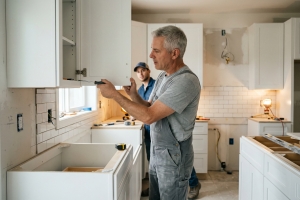
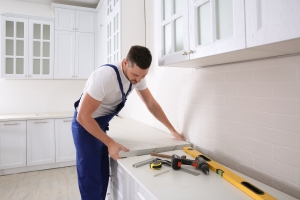
Professional Worker Renovating an Old Kitchen

At Southern Maryland Kitchen & Bath, we use our own tradesmen to make sure every kitchen remodel is optimized for value and functionality while achieving the homeowner’s vision. We leverage our 15 years in the remodeling and renovation business to provide a one-stop shop for design and contracting services in Maryland.

Contact our team today to learn more about our satisfaction assurance and kitchen remodeling process, including personalized long-term customer support to make sure your renovation is done right, without costly mistakes.

Filed Under: Kitchen

March 2, 2026 by Southern Maryland Kitchen Bath Floors & Design

Clients Communicating with Interior Deginer

House interior design, such as kitchen or bathroom design or remodeling, requires consistent communication to keep designers, builders, craftsmen, and owners in sync. It establishes that the entire process is handled with appreciation for the owner’s vision and with everyone working together to execute it.

However, the value of communication is easier to define than to achieve, and many homeowners struggle to maintain effective channels of communication among the different parties managing their project. To transform your house and acquire the kitchen or bathroom of your dreams, your team must stay on the same page.

In This Blog:

Learn how to communicate with your kitchen or bathroom designer and how effective communication can make your design or remodeling project professional, respectful, and stress-free.

Begin With Fundamentals of Good Professional Communication

The fundamentals of building a professional relationship remain the same regardless of industry. Polite communication that establishes a good first impression with the designer will impact how the conversation progresses. If it begins in a place of mutual respect, the partnership has a better chance of succeeding.

Example: Though your initial communication will initiate a service request, remember to be respectful and pay close attention to the designer’s time. Each time an email, text, or call is made, end with a simple “thank you for your time” or “thank you for speaking with me.” This reinforces respect and appreciation as higher priorities than demands.

Proper Planning Provides Designers With a Blueprint for Your Vision

Presenting a plan to a kitchen or bathroom designer is often misunderstood as a required step in the process, involving paperwork and signatures. However, design communication allows owners to weigh in on the remodel process, document the details in their own records, and establish a clear timeline for the designer to follow. A clear plan prevents miscommunication at each step of the process and eliminates the need for rework later.

What Belongs in a Remodeling Plan: A clear design plan establishes an estimated timeline for the designer’s work, defines a budget, and establishes project boundaries. Designers can help owners make their plans more realistic by aligning them with the owner’s vision, but they first need to understand the owner’s expectations.

Choosing the Right Communication Tools Can Build Better Relationships

Employees Working on An Architectural Project with Blueprints and Computer

In different situations, owners will rely on other tools to communicate with their designers. The choice of tool can affect communication quality, depending on what designers are used to and how they use these tools. For example, many old-school designers may keep digital communications, such as emails, sparse, relying on face-to-face meetings to set boundaries and discuss plans.

However, many designers now embrace communication and workflow apps such as Asana or Slack to communicate with clients. When used correctly, this technology can lead to interactive discussions about design, open channels for immediate project updates and feedback, and coordinate a larger group of people into one communication channel.

Pro Tip: Let the designer choose their preferred communication method. Forcing them to use a technique they are unfamiliar with may create gaps in their usual feedback system, leading to project delays or confusion later. If they offer a choice, consider how each tool will work in your situation and choose one that you and the designer are both comfortable using.

Set a Clear Vision but Leave Room for Continuous Feedback

Projects can change for many reasons, including unexpected repairs, new ordinances, budget changes, rising material costs, weather delays, and more. While a strong initial plan is a significant first step in communicating with your designer, remain flexible and open to adjustments as the project progresses.


However, delays and disasters are not the only reasons to stay flexible with the design plan. Designers bring years, often decades, of experience to design projects. They are often able to provide input on initial plans, meet your expectations with a more realistic vision, offer alternative materials or designs, and suggest ways to balance practicality and vision.

A good collaboration remains open to feedback and change, leverages the designer’s experience, and sets expectations without locking them in stone. Designs that remain the same from concept to completion, at best, can only meet the owner’s expectations. A good designer’s goal is not only to meet expectations but to exceed them, which requires input, continuous feedback, and collaboration.

Partner With Experienced Designers to Communicate Your Vision

Professional Interior Designer Standing in Her Home Office

At Southern Maryland Kitchen & Bath, our experienced designers work with in-house tradesmen and craftsmen to create a single point of contact between our clients and their design team. Our goal is to collaborate with you on your vision, set realistic expectations, and establish a workable process that accomplishes the goals of your interior design project, including those you may not yet have.

Contact our team to turn your vision for your house into a practical plan. Communication is one of your top priorities, so we will make sure that you are always informed about any project changes and aware of your options for solutions as soon as possible.

Filed Under: Remodeling

  • Page 1
  • Page 2
  • Page 3
  • Interim pages omitted …
  • Page 9
  • Go to Next Page »

Primary Sidebar

Get In Touch

23415 Three Notch Road #2025
California, MD 20619
(301) 241-0702

Link to company Facebook page

Link to company LinkedIn page

Link to company Instagram page

Link to company Yelp page

Link to company Houzz page

Request Consultation

Company

  • About Us
  • Blog
  • Careers
  • Contact
  • Financing
  • Portfolio
  • Products
  • Reviews

Services

  • Additions
  • Basement Remodeling
  • Bathroom Remodeling
  • Custom Closets & Cabinetry
  • Design Retainer
  • Flooring Services
  • Kitchen Remodeling
  • All Services
Southern Maryland Kitchen, Bath, Floors, & Design logo light

© 2026 Southern Maryland Kitchen Bath Floors & Design|Powered by 321 Web Marketing|Privacy|Accessibility

Synchrony Bank logo
Mastercard logo
VISA logo
American Express logo
Discover logo