
• Skip to primary navigation
  • Skip to main content
  • Skip to primary sidebar

Southern Maryland Kitchen, Bath, Floors & Design

Southern Maryland Kitchen, Bath, Floors, & Design logoSouthern Maryland Kitchen, Bath, Floors, & Design base logo

California, MD Home Remodeling

(301) 241-0702
23415 Three Notch Road #2025, California, MD 20619
Reqest Consultation
  • Services
    • Bathroom Remodeling
    • Basement Remodeling
    • Custom Closets & Cabinetry
    • Design Retainer
    • Kitchen Remodeling
    • Flooring Services
    • Additions
  • Products
    • Bathroom Fixtures
    • Cabinets
    • Carpet
    • Carpet Tile
    • Countertops
    • Glass Tile
    • Hardwood
    • Heated Flooring
    • Laminate
    • Luxury Vinyl
    • Natural Stone
    • Tile
    • Vinyl
    • Waterproof Flooring
  • Financing
    • Kitchen Remodel Financing
    • Bathroom Remodel Financing
  • About Us
    • Blog
    • Careers
    • Contact
    • Portfolio
    • Reviews
  • Request Consultation

Remodeling

July 13, 2026 by Southern Maryland Kitchen Bath Floors & Design

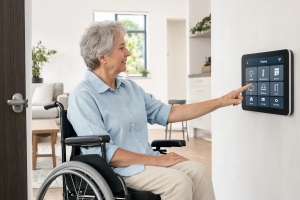
Senior Woman Sitting in a Wheelchair Using a Smart Home Control Panel Screen

Even after her father fell while living alone in his Waldorf home, Sarah knew that he wouldn’t want to move. Her main concern was whether she could make the home he loved safe enough for him without expensive renovations.

Sarah’s situation is familiar to many families whose senior loved ones want to stay in their family home, even as new safety concerns make aging in place more challenging. Children want to respect their older parents’ independence, but they lose sleep thinking about that one fall or that one missed medication that could turn their whole world upside down.

Smart technology can help adult children extend their senior parents’ independence with the right remodeling choices. The right devices can reduce real risks and give the family more confidence without significantly altering the senior’s daily routine. 

Several smart home technology options help you make the right call for your parent, spouse, patient, or out-of-state family member so they can age in place as safely as possible.

What Problems Does Smart Home Technology Actually Solve for Aging in Place? 

Aging in place is well-known to have psychological benefits for seniors, stemming from their mental comfort and physical familiarity with their surroundings. Many elderly adults never plan to leave their current home, even after losing their spouse or after their family moves farther away. 

However, this independence comes at the cost of these and other risks:

  • Falling or getting hurt
  • Missing medications
  • Having a cooking accident
  • Feeling isolated
  • Delaying emergency responses

Smart technology can intervene to help some seniors age safely in their homes without making their homes feel overly complicated or unfamiliar. The goal is not to accumulate gadgets but to make sensible investments in safety.

What Devices Make the Biggest Difference for Safety?

The devices with the biggest impact on safety address the highest safety risks first. Falling is often the most prevalent worry for seniors and their families. Motion-activated lighting is a simple change that can make a difference in their daily lives. Instead of fumbling for light switches, they can turn them on simply by walking into the room. Automatic stove shut-offs can be installed to make sure the stove isn’t accidentally left on and causes a home fire. Wristbands and other wearables can detect falls and remotely alert emergency personnel.

The devices that can offer meaningful peace of mind address issues that the individual is most likely to need help with. Seniors with memory changes may need different devices than those at risk for mobility issues. Most often, a combination of solutions is the best way to help them age in place with confidence.

How Does Smart Technology Help With Daily Routines and Medications?

Senior Man Monitoring Health Vitals and Emergency Alerts on Smart Home Wall Panel

In addition to fall detection, smart technology can assist seniors with their daily routines, including medication assistance. Voice assistants can provide periodic reminders without requiring screen use or button navigation, which many seniors struggle with.


Some smart devices can even automatically dispense pills, track doses, and send alerts to a family member’s phone when a dose is missed. These devices can be effective yet subtle. They can provide family members with a “surveillance” tool for their loved one’s daily routine without making them feel their privacy is being invaded.

Can Technology Keep Families Connected and Reassured From a Distance?

In addition to fall detection and medication-tracking devices, other smart devices can help keep families in the loop about their loved ones’ activities and give them peace of mind. For example, video doorbells can be connected to an app that family members can check, and smart locks can give caregivers or EMTs easy access without the need for spare keys.

Remote monitoring can sometimes be misconstrued as an invasion of privacy. Reframe the devices as tools that provide peace of mind for you and your family, especially if you live outside Southern Maryland and can’t reach your family member in an emergency.

Where Does Technology Stop and Home Modification Begin?

Devices can help mitigate the damage from an accident, but they often don’t work until after it happens. For example, a fall detection device only activates after the person falls. Conversely, home modifications are designed to prevent accidents before they occur.

When done thoughtfully, these home modifications can be effective without being expensive or intrusive. Grab bars, integrated lighting, and zero-threshold showers are a few examples of how the right tech, combined with minor renovations, can keep your family members safe as they age in place.

Planning Your Next Step

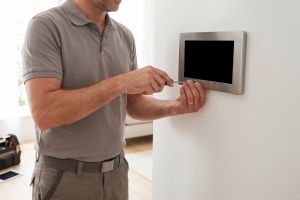
Technician Installing Smart Home Technology Control Panel on Wall

Before beginning your smart home technology upgrades or minor renovations, consider these simple questions:

  • What are your senior family members’ biggest daily risks?
  • How much surveillance are they willing to tolerate?
  • What would bring you the most inner peace?
  • What devices would they be comfortable using?
  • What small improvements can be made to their home?

At Southern Maryland Kitchen & Bath, our Certified Aging-Place Specialist (CAPS) can help you plan simple home renovations that combine minor upgrades with smart home technology to maximize your loved one’s safety as they age in place. Schedule a free consultation with our specialist to learn how non-intrusive upgrades can help keep your family members safe at home.

Filed Under: Remodeling

June 29, 2026 by Southern Maryland Kitchen Bath Floors & Design

In This Article: We break down the reasons why homeowners should hire dedicated designers to plan and execute kitchen remodels in 2026, rather than hiring builders or managing the project themselves.
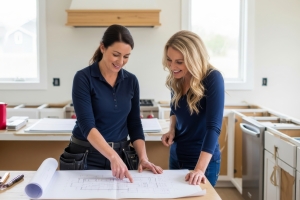
Designer Showing Kitchen Remodel Blueprint to Homeowner

Imagine finding out that your expensive kitchen remodel is over-budget or behind schedule. Try to put yourself in the future, being told by the workers you hired that they found outdated wiring, faulty plumbing, pest infestations, or another roadblock to finishing your plans on time. If you asked them what you should do now, wouldn’t you hope they could give you a clear answer?

That’s the difference between hiring a designer to handle a kitchen remodeling project vs. a builder. It’s the difference between working with someone who can adapt your designs, adjust material needs, and work with artisans to achieve a vision despite setbacks, and someone who can work from a plan but may not know how to adapt it if something changes.

1. Designers Perform Real-World Assessments

Builders can take measurements and plan remodels, but professionals take the planning stage much further by assessing in detail how the remodel will behave in a real-world setting. In other words, a builder works from a design for a new kitchen, while a professional designer asks who will be using it and how to create a seamless design for each client.

An experienced home chef who plans to entertain will need a different kitchen than a busy remote worker who just needs to access their most-used items quickly, and that will also differ from the kitchen of a busy family. These observations help determine how the kitchen should be laid out, including where appliances and fixtures will be located, and how to use floor and wall space to maximize storage. Designers start remodeling the right way by assessing how the design will flow into the client’s real daily life and what they need for the ideal experience.

2. Designers Optimize Home Value

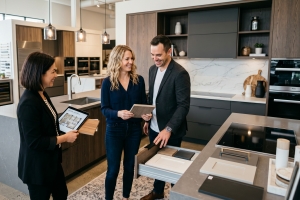
Interior Designer Talking to Homeowners about Custom Kitchen Design

Remodeled kitchens can add value to a home in more ways than one. Studies show that a remodel can deliver a return on investment (ROI) of up to 113% of its cost. Designers can optimize value by using high-quality materials and personalized craftsmanship, but there’s more to it than that.

Designers are much more likely than builders to be familiar with current design trends, and much more empowered in the remodeling process to make the changes that their experience tells them will add more value to the home. This is especially significant for homeowners remodeling a fixer-upper or planning to sell their home in the next 5 years.

Pro Tip: Studies show that minor kitchen remodels yield a higher ROI on average than major ones due to the difficulty of recouping higher remodeling costs. Experienced designers can help you plan how much (or how little) remodeling you should do to maximize your returns, whether or not that’s your primary goal.

3. Designers Use Their Industry Experience

Designers leverage their experience with contractors, tradesmen, and material suppliers to deliver high-quality remodels within each homeowner’s budget. This industry experience goes beyond what most builders can provide. With designers, in-house teams that are already part of a larger remodeling process work together to customize the remodel based on each client’s needs, local material costs at the time of the project, and other factors such as local labor availability.

Not every “design firm” works this way, and many homeowners assume that by hiring “designers,” they’re getting a better remodel than they would with a team of builders. However, many designers outsource labor, and not all of them have working relationships with local tradesmen that they trust.

Pro Tip: When looking for a design team for your remodel, ask questions about their local and industry experience and partnerships, and search their online profile for information about their workflow.

4. Designers Work With Client Budgets

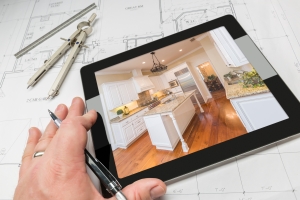
Designer Created Kitchen Remodel Blueprint According to Client Budget

Builders execute design plans, but they often lack the design-side expertise that helps design teams address budget constraints, project delays, and other changes. Designers work with homeowners to adjust the priorities of their custom kitchen designs and keep the project within their budget. If budget changes are needed, they can help make the adjustments without compromising the result.

For example, many homeowners make a common mistake in their kitchen remodels of continuing with the same materials, counters, or cabinetry, even after a budgetary change. Builders may not know how to adjust, but designers can recommend alternatives, such as semi-custom cabinets, lower-cost materials, or a revised layout to get the project back within the homeowner’s means.

Doing this requires an understanding of how style, functionality, resale, and budgeting interact, deeper than many builders possess. One of the biggest benefits of hiring designers is being able to work with the team from the start of the kitchen remodel to the end, so they always know the expectations and can change the project scope when the budget requires.

Contact a Local Design Team To Plan Your Kitchen Remodel

At Southern Maryland Kitchen & Bath, our team of designers works with in-house contractors, tradesmen, and builders to plan and execute your ideal kitchen remodel. Our goal is to work within your budget, the real-world functionality of your space, and your ideal use case to redesign your kitchen for your exact situation. We value consistent communication to make sure you’re always in the loop of your own project.

Contact our team today to learn how our designers can make your kitchen remodel shine in 2026 and beyond.

Filed Under: Kitchen, Remodeling

May 15, 2026 by Southern Maryland Kitchen Bath Floors & Design

In This Guide: Explore the important questions every homeowner should ask before starting a kitchen remodel, from budget and scope to layout, timeline, and hiring the right contractor.
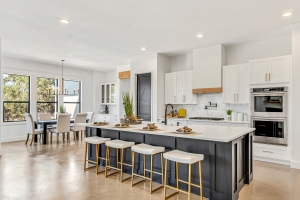
Modern Kitchen with White and Gray Interior

Kitchen remodels require significant time and money commitments. They disrupt home life, strain the owner’s finances, and frequently overrun time and budget due to interruptions and findings that alter the project’s scope. Homeowners armed with the right questions can plan their kitchen remodels effectively, create a checklist that allows for adaptation to new challenges, and avoid common mistakes that lead to so many delayed, canceled, or reworked projects.

This list of questions can serve as a remodel preparation guide to help homeowners effectively plan their kitchen remodels and renovations. Before you remodel your kitchen, consider these questions as a planning framework to help guide your decision-making and avoid costly mistakes.

Will the Project Be a Renovation or a Remodel?

Remodels and renovations are similar projects, but they are not interchangeable. When planning a renovation, homeowners ask how they can improve the fixtures and designs in their kitchens. For example, renovations can include new countertops, repainted walls, new cabinets, lighting changes, and more. Remodels go much further by changing how the kitchen is structured, laid out, and used, often by relocating appliances, replumbing or rewiring sections, or demolishing and rebuilding the whole room.

Next Step: Before planning a remodel, ask if the project you should be planning is a renovation instead. Renovations are usually cheaper, faster, and easier to plan, and they can be an effective way to refresh a kitchen without dealing with the complexity of a full remodel.

Can We Afford Realistic Budget Contingencies?

Couple Budgeting for Kitchen Remodel with Blueprint

Budgeting for a kitchen remodel is often more complex than it first seems. Most homeowners plan for their appliance upgrades, materials, labor, and other upfront expenses. Still, they may forget about unexpected findings and incidents that can drive up the cost of their project. This is why homeowners often start off budgeting their kitchen remodel with confidence, yet around 78% end up going over their estimates. 

Next Step: Add 10-20% of the initial budget estimate to the final plan to account for unexpected costs, such as finding outdated plumbing or wiring, unexpected permitting issues, material cost increases, and more. Over 2 in 5 kitchen remodels experience significant project delays, so homeowners need to prepare for the unexpected, both emotionally and financially.

Will the Renovation Be Valuable?

While most homeowners consider the value of their kitchen remodel in terms of their tastes and quality of life, they may not consider the ROI or “return on investment” of the project to their home’s potential resale value. Even for homeowners who plan to stay in the home for years, asking honest questions about the remodel’s ROI can help guide decision-making. This can impact the scope of the project you plan to undertake, since smaller remodels tend to have a greater impact on resale value relative to the investment.

Remodeling Tip: According to Zillow, an upscale kitchen remodel has a resale ROI of 36%, meaning that if it costs $100,000 to complete, the financial return will be around $36,000. Comparatively, minor remodels have an ROI of 113%, meaning they gain value compared to the cost. If ROI is a core goal of your remodel, consider how smaller remodels can have a greater impact on returns.

Can the Layout Be Optimized?

Refined Kitchen Layout After Remodeling

Effective remodels take advantage of available space to refine the kitchen layout, and major remodels can even add space by removing walls or islands, or by rearranging counters and cabinetry. Many homeowners begin remodeling to expand their kitchen to accommodate a growing family or changing tastes. Prioritizing an optimized layout over a stylistic change can help maximize the value of your remodel to your family’s daily routine.

Pro Tip: The kitchen triangle is an old design standard, but it remains a good gauge of how a kitchen design functions and how to improve it. The triangle’s points are the sink, stove, and refrigerator, and the distances between them define the workflow. Speak with your design team about rearranging the triangle to meet your changing needs, and consider incorporating an appliance relocation into your remodel to create a more dynamic space.

Partner With Local Kitchen Designers to Start Your Kitchen Remodel

At Southern Maryland Kitchen & Bath, our design team works with in-house contractors and tradesmen to provide homeowners with customized plans for their kitchen remodels. Asking the right questions can make planning easier, and experienced designers help budget-conscious homeowners and realtors address their concerns and improve their homes for resale, reorganization, or a better quality of life.

Contact our team today to schedule a consultation and learn more about what to consider before your kitchen remodel, how to create an effective planning checklist, and how to budget for every possibility.

Filed Under: Kitchen, Remodeling

March 23, 2026 by Southern Maryland Kitchen Bath Floors & Design

Older Couple Enjoying Coffee in Newly Remodeled House

Aging in place (AIP) is a healthy mentality for many older adults. It gives them the chance to live out their remaining years in their own home, often surrounded by family memories and belongings, without making the physically and emotionally strenuous transition to a care facility. With modern at-home care providers, many older adults can successfully continue to live at home. However, the home may have been bought years, even decades ago, and may not be convenient or physically safe for them to live in.

Before the home becomes dangerous for you or your loved one, strategic remodeling can help refine the home for your current goals while preparing for your future needs. This article covers tips and strategies for successfully planning an aging-in-place remodel to help prepare for the future with less stress for the elderly adult and their family.

Why Are People Aging in Place?

As many older adults want to remain in their homes, family members may question whether this is the best strategy for their loved one. While aging in place may pose physical and mental risks, it also presents many benefits that can keep older adults and their families’ lives running more smoothly. These benefits include:

  • Maintaining a sense of independence
  • Staying connected to their community
  • Saving money on housing costs
  • Having a higher standard of mental health*

*According to numerous scientific studies, aging in place provides many benefits, including relief from anxiety/feelings of loneliness and increased mental acuity, likely stemming from continuing to live in familiar surroundings.

The Challenges of Aging in Place

Despite these benefits, aging in place may present challenges. As elderly adults continue to age, their physical and mental condition often declines, leading to issues with continuing to live in a home they bought years or decades ago. Homes with stairs, large homes, and even homes with certain types of flooring can become inhospitable or dangerous as the homeowner ages.

How To Remodel Homes for Aging in Place

Senior Couple Sitting at Table and Looking into Blueprints of Their Aging-in-Place Remodel Layout

One of the best ways for older homeowners and their families to prepare for aging in place is to pre-emptively remodel the home. For some older adults, this can be a significant change to their routine. The goal is to create sensible adjustments that balance aesthetics and functionality as the family prepares for the future.

  1. Rethink the Layout

One of the most significant changes homeowners can make to prepare for aging in place is to reconsider how their home’s layout will impact their future mobility. Homes with stairs or sprawling layouts can be difficult to adapt and may require more consideration.

However, in many homes, simple changes can go a long way toward making the layout more livable in later years. To use the kitchen as an example, counters and appliances can be lowered to prevent reaching. Built-in pull-down or pull-out shelving can provide easier access to amenities without requiring bending over.

For bathrooms, shower curbs and step-in tubs may no longer be viable. Walk-in tubs can be installed, as can built-in shower seating to enhance safety. The goal of these bathroom remodels is to provide luxury amenities with future mobility in mind. 

Pro Tip: When redesigning a senior’s home, aim for more open floor plans where possible to prepare for the possibility of wheelchair access.

  1. Reconsider the Flooring

Flooring decisions were likely made when the home was built or when the homeowners were much younger. A 2023 report from the Centers for Disease Control and Prevention (CDC) shows that falls account for around 3,400 deaths among U.S. retirement-age adults every month, making reducing tripping hazards a primary goal of an aging-in-place remodel.

Carpets can bunch up over time or form lips that can act as tripping hazards. Additionally, they may be difficult to clean. Tile provides a clean alternative, but it may not be in every homeowner’s budget. Luxury vinyl plank (LVP) provides a good compromise between aesthetics, safety, and usability. It can be visually customized to match the look of stone, tile, hardwood, and more, while remaining easy to clean and repair, even as the homeowner ages.

  1. Improve the Lighting

As our loved ones age, lighting can transform from an afterthought into a core safety feature of the home. Lighting should be bright, warm, and functional, providing strategic task lighting in high-usage areas such as kitchens and bathrooms. This can be achieved in remodels by integrating lighting into custom cabinetry, counters, range hoods, and more. Flat-panel light switches, combined with remote-controlled options, can provide even greater accessibility and help predict future changes in their physical capabilities.

Local Designers Can Help You Plan for the Future

Middle Aged Couple Meeting with Local Home Designer for Aging in Place Remodeling

At Southern Maryland Kitchen & Bath, our team of designers and in-house tradesmen and contractors works with homeowners and families to create aging-in-place remodels that align with current goals and future needs. Our goal is to be a one-stop shop for your remodeling project by coordinating with your and your loved one’s needs, while communicating budget and service expectations at every step of the way.

Contact our team and schedule a design consultation today to learn more about how we can help you or your elderly loved one achieve peace of mind in the family home with strategic aging-in-place remodels that prepare for the future.

Filed Under: Remodeling

March 2, 2026 by Southern Maryland Kitchen Bath Floors & Design

Clients Communicating with Interior Deginer

House interior design, such as kitchen or bathroom design or remodeling, requires consistent communication to keep designers, builders, craftsmen, and owners in sync. It establishes that the entire process is handled with appreciation for the owner’s vision and with everyone working together to execute it.

However, the value of communication is easier to define than to achieve, and many homeowners struggle to maintain effective channels of communication among the different parties managing their project. To transform your house and acquire the kitchen or bathroom of your dreams, your team must stay on the same page.

In This Blog:

Learn how to communicate with your kitchen or bathroom designer and how effective communication can make your design or remodeling project professional, respectful, and stress-free.

Begin With Fundamentals of Good Professional Communication

The fundamentals of building a professional relationship remain the same regardless of industry. Polite communication that establishes a good first impression with the designer will impact how the conversation progresses. If it begins in a place of mutual respect, the partnership has a better chance of succeeding.

Example: Though your initial communication will initiate a service request, remember to be respectful and pay close attention to the designer’s time. Each time an email, text, or call is made, end with a simple “thank you for your time” or “thank you for speaking with me.” This reinforces respect and appreciation as higher priorities than demands.

Proper Planning Provides Designers With a Blueprint for Your Vision

Presenting a plan to a kitchen or bathroom designer is often misunderstood as a required step in the process, involving paperwork and signatures. However, design communication allows owners to weigh in on the remodel process, document the details in their own records, and establish a clear timeline for the designer to follow. A clear plan prevents miscommunication at each step of the process and eliminates the need for rework later.

What Belongs in a Remodeling Plan: A clear design plan establishes an estimated timeline for the designer’s work, defines a budget, and establishes project boundaries. Designers can help owners make their plans more realistic by aligning them with the owner’s vision, but they first need to understand the owner’s expectations.

Choosing the Right Communication Tools Can Build Better Relationships

Employees Working on An Architectural Project with Blueprints and Computer

In different situations, owners will rely on other tools to communicate with their designers. The choice of tool can affect communication quality, depending on what designers are used to and how they use these tools. For example, many old-school designers may keep digital communications, such as emails, sparse, relying on face-to-face meetings to set boundaries and discuss plans.

However, many designers now embrace communication and workflow apps such as Asana or Slack to communicate with clients. When used correctly, this technology can lead to interactive discussions about design, open channels for immediate project updates and feedback, and coordinate a larger group of people into one communication channel.

Pro Tip: Let the designer choose their preferred communication method. Forcing them to use a technique they are unfamiliar with may create gaps in their usual feedback system, leading to project delays or confusion later. If they offer a choice, consider how each tool will work in your situation and choose one that you and the designer are both comfortable using.

Set a Clear Vision but Leave Room for Continuous Feedback

Projects can change for many reasons, including unexpected repairs, new ordinances, budget changes, rising material costs, weather delays, and more. While a strong initial plan is a significant first step in communicating with your designer, remain flexible and open to adjustments as the project progresses.


However, delays and disasters are not the only reasons to stay flexible with the design plan. Designers bring years, often decades, of experience to design projects. They are often able to provide input on initial plans, meet your expectations with a more realistic vision, offer alternative materials or designs, and suggest ways to balance practicality and vision.

A good collaboration remains open to feedback and change, leverages the designer’s experience, and sets expectations without locking them in stone. Designs that remain the same from concept to completion, at best, can only meet the owner’s expectations. A good designer’s goal is not only to meet expectations but to exceed them, which requires input, continuous feedback, and collaboration.

Partner With Experienced Designers to Communicate Your Vision

Professional Interior Designer Standing in Her Home Office

At Southern Maryland Kitchen & Bath, our experienced designers work with in-house tradesmen and craftsmen to create a single point of contact between our clients and their design team. Our goal is to collaborate with you on your vision, set realistic expectations, and establish a workable process that accomplishes the goals of your interior design project, including those you may not yet have.

Contact our team to turn your vision for your house into a practical plan. Communication is one of your top priorities, so we will make sure that you are always informed about any project changes and aware of your options for solutions as soon as possible.

Filed Under: Remodeling

February 2, 2026 by Southern Maryland Kitchen Bath Floors & Design

Compact Home Layout with Multi Purpose Furniture Functionality

Additions and renovations can serve multiple functions in modern homes, especially with so many people now working partly or entirely from home. According to recent studies, hybrid work models now account for over half of all workers in remote-capable jobs, with 26% working exclusively remote. Effective layouts account for the many ways modern homeowners use their rooms and adapt their homes to their vision for a stylish new design.

In This Blog:

This article covers methods for creating the best layouts for multi-purpose home additions, including a practical process that homeowners can use to determine their space needs and bring their vision to life.

Why Does the Home Addition Need to Be Multi-Purpose?

This is the first question that homeowners and designers should ask about their home addition. “Multi-purpose” can mean a variety of things. By recognizing the exact needs of the space, the design can be customized to work within the space’s limitations and achieve the owner’s vision for its purpose. Here are some examples of how this can be used in the design phase:

Design Example 1: Dual-purpose additions can set clear expectations for two different modes of use within the same space. This is useful in homes with limited space but with a clear vision for how spaces should be used. For example, a living room may be set up for both living and entertaining guests, or a kitchen may be functional for everyday use while easily transforming into a social and work space.

Design Example 2: Hidden and creative storage solutions can create multi-purpose spaces even in limited rooms. Storage can be integrated into built-in banquette or bench seating, kitchen islands, cabinets, and more. For offices, kitchens, craft rooms, playrooms, and more, designated yet hidden storage can improve the flow of the whole space.

Design Example 3: Find multi-purpose spaces using vertical designs to avoid disorganization. Shelves, vertical cabinets, and other mounted storage pieces, such as drying racks, can clear clutter from counters, shelves, or tables and utilize the walls as extra space.

Essential Takeaway

Modern Studio Apartment with Multi-Purpose Living Aea

Multi-purpose spaces create opportunities for functionality without cluttering the room. A home addition designed for multiple functions should be planned with both in mind, which is why communicating your vision to an experienced designer and contractor is so essential.

The Layouts That Make Multi-Purpose Rooms Possible

Once the intended functionality has been worked out, owners, designers, and craftsmen need to settle on the layout that will best achieve it. This can be challenging since every space is different. Only an in-person assessment and plan from an experienced designer can create the ideal arrangement for each home. However, these ideas can serve as a starting point:

Versatile Kitchens for Modern Homes

People are working from their homes and cooking more as well. The kitchen, already the heart and soul of any home, has never been busier or in higher demand. The goal for multi-purpose kitchens is to identify the layout that best fits the space.

For example, if there’s room for an island, it can serve as a touchpoint for other functions, such as a makeshift workspace or a built-in for appliances. Just as importantly, kitchens that don’t have room for an island should not force the issue to satisfy a trend. The form should align with the intended functions and be coordinated with the space’s limitations rather than working against them.

Modular Family Gathering Spaces

Family spaces are designed with quality family time in mind, but their flow often accommodates other uses. For example, kids may want to do homework in the living or kitchen spaces, suggesting seating and storage designs that can more easily transition to work. In open-floor plans, bar seating often provides a useful middle ground between socializing and working.

The goal of modern layouts in many cases is to break down the barriers between “living” and “non-living” spaces. Since families and workers want to enjoy their homes, restricted layouts often fail to meet their needs. Achieving this modularity requires thinking about design and furniture in new ways. With hidden storage compartments, a breakfast nook can double as a workspace. Built-ins can transform wall space into multi-functional storage space, or kitchen islands into appliance workstations.

Essential Takeaway

Small Kitchen with Pull Out Drawers and Cabinets

A kitchen layout can no longer be just for “cooking,” and a living room layout can no longer be just for “entertaining.” People are using their homes more, and they need to expand their usable space with multi-functional home additions. Regardless of how much additional square footage they gain, practical additions are planned in the context of modern, multifunctional homes and the expectations of those who own and use them.

Southern Maryland Kitchen & Bath Delivers Multi-Purpose Home Additions Customized to Your Vision

At Southern Maryland Kitchen & Bath, our goal is to customize home additions to the purposes owners have in mind. As Certified Living in Place Professionals, our designers, in-house installers, and tradesmen provide a one-stop shop for home additions and redesigns, from stylish kitchens and living spaces to ADA-certified bathroom designs. 

Contact our team today to schedule a consultation and learn how your home additions can become exceptional, multi-functional spaces for any purpose you need.

Filed Under: Remodeling

  • Page 1
  • Page 2
  • Page 3
  • Interim pages omitted …
  • Page 5
  • Go to Next Page »

Primary Sidebar

Get In Touch

23415 Three Notch Road #2025
California, MD 20619
(301) 241-0702

Link to company Facebook page

Link to company LinkedIn page

Link to company Instagram page

Link to company Yelp page

Link to company Houzz page

Request Consultation

Company

  • About Us
  • Blog
  • Careers
  • Contact
  • Financing
  • Portfolio
  • Products
  • Reviews

Services

  • Additions
  • Basement Remodeling
  • Bathroom Remodeling
  • Custom Closets & Cabinetry
  • Design Retainer
  • Flooring Services
  • Kitchen Remodeling
  • All Services
Southern Maryland Kitchen, Bath, Floors, & Design logo light

© 2026 Southern Maryland Kitchen Bath Floors & Design|Powered by 321 Web Marketing|Privacy|Accessibility

Synchrony Bank logo
Mastercard logo
VISA logo
American Express logo
Discover logo