
• Skip to primary navigation
  • Skip to main content
  • Skip to primary sidebar

Southern Maryland Kitchen, Bath, Floors & Design

Southern Maryland Kitchen, Bath, Floors, & Design logoSouthern Maryland Kitchen, Bath, Floors, & Design base logo

California, MD Home Remodeling

(301) 241-0702
23415 Three Notch Road #2025, California, MD 20619
Reqest Consultation
  • Services
    • Bathroom Remodeling
    • Basement Remodeling
    • Custom Closets & Cabinetry
    • Design Retainer
    • Kitchen Remodeling
    • Flooring Services
    • Additions
  • Products
    • Bathroom Fixtures
    • Cabinets
    • Carpet
    • Carpet Tile
    • Countertops
    • Glass Tile
    • Hardwood
    • Heated Flooring
    • Laminate
    • Luxury Vinyl
    • Natural Stone
    • Tile
    • Vinyl
    • Waterproof Flooring
  • Financing
    • Kitchen Remodel Financing
    • Bathroom Remodel Financing
  • About Us
    • Blog
    • Careers
    • Contact
    • Portfolio
    • Reviews
  • Request Consultation

Southern Maryland Kitchen Bath Floors & Design

May 12, 2025 by Southern Maryland Kitchen Bath Floors & Design

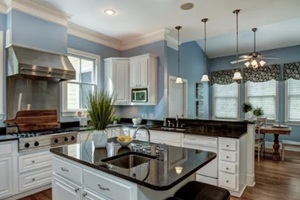
large american style kitchen and dining room interior with granite countertops

Kitchen remodels can turn into expensive ventures, especially when delays or repairs cause unexpected issues. Yet, when executed with proper planning, remodels make up for the cost by enhancing the home and increasing its value. Despite the allure of choosing countertops and paint colors, homeowners should note that a successful remodel starts with asking the right questions.

Though a kitchen designer can answer many remodel questions, we believe that the most important questions are those that homeowners ask themselves as they begin the planning phase of their remodel. We compiled this list of questions to help homeowners clarify their intentions to their designers by first clarifying it for themselves.

1. What is the primary goal of the kitchen remodel?

This is a significant question because the priority of the remodel will determine its budget, process, and timeline. Homeowners may wish to update the style, expand the floor plan, find more storage space, accommodate accessibility issues, increase their home’s value, improve the room’s functionality, or a combination of goals.

In many cases, growing families are looking to expand the usable area of their kitchens to accommodate more chairs, storage, or workspace. In other cases, homeowners want to get their kitchen’s aesthetic in line with the architecture of the home or current stylistic trends. Additionally, remodels can help homeowners sell their homes for a higher price if they focus on marketable aspects.

Having a well-defined primary goal helps homeowners in the planning phase of their remodel. When a designer is hired, they will be able to make specific recommendations for the remodel that align with these established priorities.

2. How much longer will I own the home?

This is an important question to set the right goals and expectations before beginning the remodel. Homeowners who only plan on living in the home for a few more years may not want to invest in personalized design decisions. Those who plan on moving should look for design traits that will increase the value of the home without overspending on features with limited appeal.

On the other hand, homeowners who plan on staying in their homes for longer should prioritize bringing their dream designs to life. Since they will be the ones more likely to reap the benefits of an expensive remodel, they may prefer to prioritize their personal vision over potential resale value.

3. How do I use the kitchen?
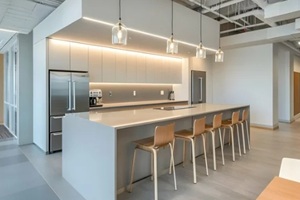
modern office kitchen design minimalist interior and open plan

A kitchen should reflect the lifestyle needs of its owner. A homeowner who enjoys cooking elaborate meals from scratch should design a different kitchen than one who prioritizes simplicity and convenience. Kitchens that entertain guests, double as remote workspaces, or need to accommodate multiple cooks at once should be designed with different amenities, flows, appliances, space allocation, and more.

By considering how the kitchen will be primarily used, designers can make other essential decisions concerning the floor plan, the selection of appliances, the design of cabinets, the distribution of counter space, and more. This question acknowledges that great kitchens should be designed for the owner, not just the home.

4. What is my realistic budget?

Budget is an important consideration before beginning a kitchen remodel, but the question encompasses more than the price of cabinets, counters, tile, and appliances. Homeowners need to set a realistic budget for the project that also includes potential project delays, hidden repairs, and other compromises.

For example, if a designer needs to change electrical or plumbing systems to accommodate new appliances, this can lead to higher costs and unexpected repairs or delays. Homeowners should not budget the project to the exact spending limit of the tangible materials and other purchases. Instead, they should budget with a buffer of at least 10-15% of the project cost to account for unexpected issues.

Experienced kitchen designers help homeowners evaluate their proposed remodels and compare them to their budgets to scale the project up or down according to their needs.

5. What is my timeline?

Depending on the complexity of the remodel, the timeline can vary significantly. For many homeowners, a specific event or deadline is a significant driving force of their remodel, so flexibility may not be an option. For example, the remodel may need to be finished for a family reunion, party, or other gathering.

For other homeowners, the timeline is not as strict. In either case, the planned length of the project should include not only the remodeling time but also lead times on materials and a margin of error for potential delays.

Contact Southern Maryland Kitchen & Bath to Start Your Kitchen Remodel the Right Way
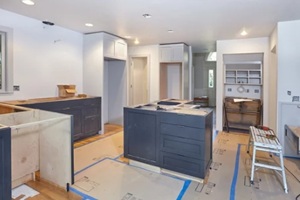
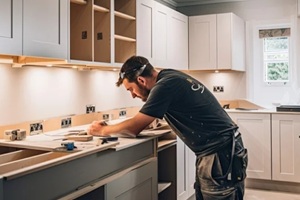
Custom cabinets for kitchen island, desk and counters are set in place

At Southern Maryland Kitchen & Bath, we partner with experienced tradesmen, designers, and material suppliers to customize kitchen remodels for each client. This list is designed to help homeowners mentally plan their kitchen remodels, set the right emotional and financial expectations, and start the process the right way.

We have an expansive selection of floors, cabinets, and more to help you visualize your new kitchen. Contact our team today to continue planning your kitchen remodeling, answering the essential questions, and turning your dream design into a reality.

Filed Under: Kitchen

May 5, 2025 by Southern Maryland Kitchen Bath Floors & Design

man using tape measure for measuring on kitchen in for home improvement

Creating a dream kitchen takes more than choosing the right countertops and cabinets. Turning an idea for a functional and stylish kitchen space into a practical reality requires a process-oriented mindset executed by experienced kitchen designers. Many homeowners have an idea of their dream kitchen but lack a clear strategy for executing it.

This article demonstrates some of the process involved in turning kitchen inspiration into a tangible reality. Our goal is to give a rough outline of the design process for homeowners to use as a roadmap to communicate with their kitchen designer and create an inspiring and practical new kitchen.

Step 1: Communicate the Vision

The first step of a kitchen redesign or remodel is the initial conversation. Homeowners communicate their intentions to their designers, including the features they want included and the budget they have to work with. A rough outline of the space can get the designers started, but the significance of this step is in the homeowner’s ability to tell their kitchen designer about their concerns, limitations, and plans.

A kitchen that needs to be the centerpiece of regular family gatherings will be designed differently from one that needs to hold top-tier appliances for a private chef. Today’s kitchens can incorporate seating and workspace with updated layouts, focus on storage, or utilize limited counterspace to expand storage and display options vertically. Homeowners should be upfront and specific with their visions. It’s the designer’s job to take these details and translate them into an actionable design plan.

Step 2: Explore Sample Ideas

Once kitchen designers have a general idea of the homeowner’s vision, they can begin customizing their design plan. One of the ways they do this is by presenting samples to help the homeowner explore the possibilities. They are also receptive to sample designs from the homeowner that visualize what they have in mind.

For example, homeowners often bring Pinterest boards, magazine photos, or blogs to show their designers as an example of the style they hope to achieve. Kitchen designers can use visual tools, materials, and examples from their showroom to help refine these ideas into a plan that will work in the homeowner’s specific space.

These examples can include tile, flooring, cabinets, textures, finishes, designs, and hardware in the process of bringing the kitchen vision to life. The focus should be on balancing the homeowner’s practical needs with their aesthetic ideas.

Step 3: Customizing Your Kitchen Design Plan

As inspirations materialize into a kitchen design plan, designers begin personalizing the style and function to the specific space. Using material specifications, floor plans, or 3D visualization tools, designers can build comprehensive layouts that simulate the look, feel, and function of the new kitchen.

interior designer working with a kitchen visual renderings in a design bureau

As these sketches are tweaked, they become the designer’s roadmap for achieving the homeowner’s goals within their constraints. At this point, the measurements of the space will be completed, and the designers will begin preparations to buy the needed materials. Any final accessibility concerns or other design requirements should be mentioned at this point before the materials are ordered.

Step 4: Choosing the Materials

Material selection is an essential part of turning a kitchen idea into a tangible reality. Long-lasting and high-performing materials should be the priority, but the style should also suit the designs. For example, quartz countertops are durable, easy-to-maintain options, but designers offer a large range of natural wood, tile, and other high-quality materials to give homeowners choices when bringing their vision to life.

Step 5: Beginning the Work

Once the materials have been chosen and the designs finalized, the designers can get to work. The best kitchen designers use an in-house team of tradesmen and installers whose work they can guarantee. This team can manage every detail of the project from start to finish under one roof, from the initial inspection to the final walkthrough.

Step 6: Bringing the Design to Life

As construction progresses, the design team’s project managers will oversee the execution of the remodel. Skilled craftsmen can handle the details of each step, from plumbing and electrical to tiling and cabinetry, while the managers oversee cohesion and keep clients informed through each step of the process. Feedback and adjustments are welcome to make sure the project progresses according to the homeowner’s vision.

Step 7: Finalizing the Details

Once the work has been completed, the kitchen designer will walk through the final product with the homeowner to make sure the details match the vision. Skilled designers aim to build lasting relationships with their clients, as many homeowners return for additional designs, new projects, or further updates.

Schedule a Consultations with Maryland’s Top Kitchen Designers

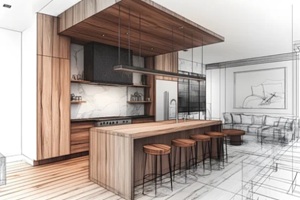
home house apartment design sketch contemporary luxurious cozy modern wooden kitchen living room area construction interior architect drawing furniture

Great kitchen designs result from a thoughtful collaboration between homeowners, kitchen designers, and their trade partnerships. At Southern Maryland Kitchen & Bath, we listen to our clients’ visions and plan their kitchen remodels with precision.

Our partnerships with tradesmen, material suppliers, and craftsmen ensure that homeowners receive the best design services possible. Contact our team today to schedule a consultation and begin the process of transforming your dream of a new kitchen into a tangible reality.

Filed Under: Kitchen

April 28, 2025 by Southern Maryland Kitchen Bath Floors & Design

apartment kitchen designer plans for MD home renovation

A home renovation can be an exciting and rewarding venture. However, without proper planning and guidance, renovations can become financial burdens fraught with unexpected expenses, delays, and unsatisfactory results. In general, hiring experienced kitchen designers is a logical first step to avoiding many of these mistakes, especially for inexperienced renovators.

If you are still on the fence, or have questions for hiring a professional, the following list examines the costly mistakes made during many home renovations to help homeowners stay on budget and turn their ideal visions for their spaces into a reality. 

1. Set a Realistic Budget

Since home renovations can cost as much as $150 per square foot, homeowners have a responsibility to budget their costs and avoid the costly mistake of underestimating common expenses. Home renovations involve not just material costs but also other costs associated with labor, permits, and compliance. For example, home renovators may uncover damaged wiring or plumbing that is out of code, leading to unexpected project delays and costs that can change the viability of the entire project.

For any renovation, homeowners should set a realistic budget and work within those means. Everything should be planned in advance to make sure premium materials and custom appliances stay within the overall project budget. If one aspect of the job increases in price, the budget may need to adapt in other areas to stay on schedule.

2. Anticipate Unexpected Issues

Home renovations may not always go as planned. During the inspection process, contractors may discover issues that need to be corrected before proceeding with the renovations. These could include:

  • Faulty Wiring
  • Worn Plumbing
  • Mold Growth
  • Infestations
  • Structural Damage
  • Water Damage

These issues may pose a danger to the residents, present issues of compliance that could lead to project delays, or could compromise the integrity of the new project. To avoid these costly mistakes, homeowners should budget for the time and material and labor costs associated with unexpected problems. A good rule of thumb is to set aside a minimum of 10% of the budget for unforeseen circumstances and allow for potential delays in the project timeline.

3. Maintain Compliance

When home renovations change the footprint of the home, they often require permits, inspections, and insurance adjustments to be approved. In some neighborhoods, a kitchen design project may require HOA approval. Failure to follow the rules of compliance could result in fines, project delays, or insurance issues. If the renovations are substantial enough, failing to maintain compliance can even lower the value of the home and lead to legal trouble with local or state authorities.

house renovation project

Adding plumbing or wiring often requires a permit, which is why compliance can change the timeline of a project. If an inspector discovers faulty wiring, the homeowner may need to apply for a permit to replace it before proceeding with the renovations. This also applies to new additions to the home, foundation work, panel upgrades, and more.

Not all work requires a permit, however. For example, restoring wooden floors, painting walls, or making electrical repairs can often be done without an inspection. Understanding the compliance process in the local area or partnering with designers who understand the process is the best way to avoid costly compliance mistakes.

4. Renovate Safely

Home renovations can be performed safely by experienced contractors and designers. Yet, many homeowners pursue DIY renovations and risk costly damage to their homes, themselves, or others. In many cases, a lack of safety precautions creates more expensive repairs on top of the renovation process.

Basic safety tips for home renovations include turning off the power before working on electrical systems, inspecting ladders and safety equipment, following instructions from manufacturers on proper tool use, and wearing proper safety gear. However, the best tip for renovating safely is to hire experienced local designers and contractors who will follow proper procedures and keep you and your home safe from harm.

5. Choose the Best Professional for the Job

Inexperienced or unlicensed contractors can make expensive mistakes due to cutting corners, ignoring building codes, or lacking expertise in specific aspects of the renovation. To avoid these mistakes, homeowners should carefully vet their potential designers and contractors, check their references, insurance, and reviews, and ask them about their experience with similar projects.

By investing in the right team from the start of the renovation, homeowners can avoid costly corrections, delays, and building infractions on their home renovations. When every setback can cost a fortune, choosing the right kitchen design partner is a valuable investment.

Renovate Safely with the Help of a Professional Maryland Kitchen Design Team

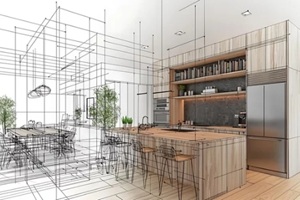
modern kitchen design, architectural sketch overlay, open plan, home renovation

At Southern Maryland Kitchen & Bath, our professional installers and tradesmen leverage years of experience in the construction field to guide clients through their home renovation projects. We handle any issues that may arise and offer homeowners different resolution options to help meet time and budget requirements.

Attempting a remodeling project without expert kitchen designers or other home renovators may be the most costly mistake of all. Contact our experienced team today to learn how we can plan and execute your home renovation with as few surprises as possible.

Filed Under: Remodeling

April 21, 2025 by Southern Maryland Kitchen Bath Floors & Design

MD kitchen remodel contractor installing new modern kitchen

Kitchen remodels must be carefully planned, both logistically and financially. To bring a vision for a new kitchen space into reality, homeowners need to have strategies on how to time, plan, and reconsider their remodels. In Maryland, a kitchen remodel often requires professional guidance due to the material construction required and the effort needed to time the project.

The benefits of a well-timed kitchen remodel include a clearer project objective, a lower chance of needing a second remodel, and a better overall result. Follow these tips on timing kitchen remodeling to achieve the kitchen of your dreams by recognizing when the time is right for a full kitchen update.

Does the Style Fit the Rest of the House?

Many homes have distinct architectural styles that inform the aesthetic of the interior design. A change of decor cannot always bring the kitchen in line with the times. Many kitchens have fallen too far behind in their fixtures, layouts, materials, textiles, lighting, and color schemes to be fixed without drastic structural changes.

It’s time for a remodel if the cabinets have become old, worn, or outdated, or if the style of the rest of the home fails to match the designs in the kitchen. As a result, many homeowners may feel disappointed with their kitchens or hesitant to spend time in them. It may be the last room they show when guests visit. This is a clear sign that it’s time for a kitchen remodel.

Is Space Still Functional?

Kitchens should be designed to support daily routines. Every aspect should be fine-tuned to the comfort of its users, from the layout of the appliances and the distribution of counter space to the lighting arrangement. Kitchens with poor layouts, low storage, or outdated lighting may no longer serve their purpose, leading to inefficient meal preparation or difficulties with cleaning.

Many homeowners buy new appliances to update their kitchens without having the proper layout to accommodate them. Many more update the materials in their countertops, backsplashes, and flooring to more premium options, while lacking an updated lighting system or best use of natural lighting, to show off their premium materials and maintain the functionality of the space.

A kitchen layout should work for the user’s needs. If the kitchen has become difficult to use, it’s time for a remodel. The right kitchen remodel will upgrade cabinetry, reconfigure counter and storage space, and change the flow of the room to accommodate the new designs.

Is the Kitchen Still Safe?

woman drawing kitchen interior design

Functionality is not the only concern, as a kitchen space should also be safe to use. Appropriate lighting arrangements that highlight work areas and walkways are significant, but they are only part of the formula for designing a safe and functioning modern kitchen. Many older kitchens have more serious issues that indicate the need for a kitchen remodel.

When kitchens become outdated, their wiring can become a fire hazard. Appliances can become worn, leading to potential electrical shorts, food spoilage, and other issues. Water can leak from appliances or plumbing, leading to unsafe, slippery floors. Even in kitchens without electrical appliances, gas leaks are a serious health hazard that must be addressed immediately. Any of these safety issues indicate the right time to begin a kitchen remodel. 

Designers should also account for the individual safety of everyone using the space. Redesigning for accessibility can mean prioritizing functionality over style. High shelves, sharp-cornered counters, or low lighting may serve an aesthetic purpose, but they are not the most functional choices for all modern kitchens. A remodel can help homeowners modernize their kitchen space with safer materials, proper lighting arrangements, and improved accessibility.

Is the House Still Your Dream Home?

Over time, a homeowner’s needs and tastes evolve. Their idea of a dream kitchen now may be much different from when they first moved in. In some cases, the rest of the home may have been remodeled in line with this new vision; in others, the kitchen has become less functional due to events in the homeowner’s life, such as a remote job or new accessibility requirements.

Kitchen remodels can increase the home’s value when it’s time to sell, but they can also improve the usability of the kitchen to match updated needs. A fresh design with modern accessibility, a more open layout, and a greater use of bespoke storage solutions can refresh the kitchen for changing tastes and new needs.

It’s Time to Start Your Professional Kitchen Remodel Today

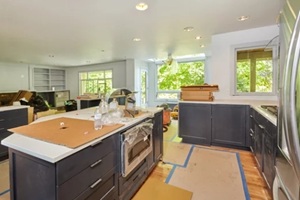
partially finished kitchen remodel is a mess of boxes

At Southern Maryland Kitchen & Bath, our design team understands how difficult investing in a kitchen remodel can be for homeowners. Timing is everything, since a project put off too long can result in a kitchen that lacks functionality, aesthetic appeal, or important safety features.

Our top priority is clear communication with our clients to help them bring their dream kitchens to life with high-quality remodels at the perfect time. Contact our experienced team today to learn if it’s time (or past time) that you have a functional, beautiful new kitchen.

Request Consultation

Meet with one of our skilled project specialists to get started.

"*" indicates required fields

Name*
Address*
Services you are interested in*
Drop files here or
Accepted file types: jpg, png, jpeg, Max. file size: 100 MB.
    Consent

    Filed Under: Kitchen, Remodeling

    April 14, 2025 by Southern Maryland Kitchen Bath Floors & Design

    modern kitchen remodel interior in black colors

    Maximizing the utility of small spaces presents new challenges, even for experienced designers. Kitchen designers must use strategic choices to make the most of every square foot of floor area, maximize countertop utility, and fit more storage into a limited space.

    The strategies suggested below can help kitchen designers and homeowners better understand the challenges of maximizing the utility of small spaces. With an optimized layout, smart storage solutions, and the right materials, even a limited space can become a polished and professional design.

    Use a Well-Planned Layout for Maximizing Space

    Planning the layout is key to fully use limited space. Kitchen designers look for opportunities to expand upward with vertical space to increase organization and storage potential while minimizing limited square footage. Vertically-built cabinets, built-in shelves, and other custom storage solutions can free up valuable counter and floor space to promote better flow. Especially in kitchens, the flow of foot traffic is important for optimizing a small space to prevent the feeling of being cramped and cluttered.

    Kitchen designers typically use the “triangle” layout, which focuses on the distance between the fridge, stove, and sink to promote flow. In a limited space, this requires careful optimization of floor space, including smart placement of the kitchen island and strategic use of built-ins to get cabinets and appliances out of the way.

    Incorporate Multi-Functional Fixtures

    In a small space, fixtures that support multiple functions can significantly enhance usability. For example, built-in storage solutions such as recessed shelves and under-sink cabinets can provide extra storage space without consuming extra room. Working with kitchen designers, homeowners can commission pull-out countertops, deeper drawers, toe drawers, integrated seats, and more to create a more adaptable space.

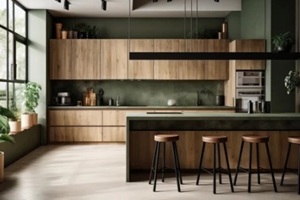
    interior green kitchen

    These modular custom designs are focused on maximizing the utility of a kitchen’s layout. Modern designers aim for a dynamic, living space that promotes ease of use, especially in modern kitchens where socializing and working are often as common as cooking.

    Use the Benefits of Light and Color to Your Advantage

    Light and color can be utilized to expand the perception, if not the practical utility, of small spaces. For example, incorporating natural light sources from windows or skylights can make a room feel more open and spacious even with the same floorplan. Kitchen designers often use light-toned cabinets, floors, and walls to reflect natural light to complement and reduce the artificial lighting.

    This idea carries over to the placement of artificial lighting as well. Under-cabinet or recessed lighting fixtures can maximize the perception of depth. Mirrors and glass tiles can be incorporated to further enhance the perception of light sources while adding much-needed elegance.

    Discover and Maximize Storage Space

    Maximizing storage is one of the most significant changes kitchen designers can make to expand the usage of a small space. Cabinets, pantries, and appliances can take up valuable floor and counter space. However, adding toe drawers, pull-out shelves, lazy Susans, drawer dividers, built-ins, and other smart storage solutions can expand on these fixtures within the same floor plan, reducing clutter while keeping everything within arm’s reach.

    Custom shelves and cabinets specifically designed for a small kitchen space create more opportunities for keeping even busy kitchens functional and tidy.

    Choosing the Right Materials

    The right material choices can make rooms feel more spacious and inviting even if they technically don’t change the floorplan. 

    • Sleek and minimalist finishes contribute to a space that feels streamlined and accessible. 
    • Natural stone countertops, porcelain or glass tiles, and minimalistic cabinetry can balance the functionality of the space with natural warmth and texture. 
    • Reflective materials can redirect natural light to expand the space further.

    Experienced kitchen designers choose the right materials to maximize small spaces while adding modern elegance to their designs. Since material choices have specific limitations and cost differences, homeowners should consult with designers on the best options to maximize the utility of their space within their budget.

    Use a Professional Kitchen Designer

    Professional kitchen designers are experts in planning spaces, selecting materials, and executing designs that maximize storage, floor, and counter space. Accounting for both functionality and style can be difficult without process-driven professionals, high-quality material suppliers, and customized designs for the limitations of each space.

    Consult with Our Kitchen Design Experts

    minimalistic kitchen interior design with wooden floors

    Transforming small rooms into expansive, functional spaces requires careful planning and design. At Southern Maryland Kitchen & Bath, our expert designers work with homeowners to maximize the look and feel of their kitchen spaces. Smart design choices such as using high-quality materials and custom storage can help create spaces that are more inviting, open, and efficient.

    Contact our team of designers today to schedule a consultation and learn how we can help maximize a space of any size using modern design strategies and high-quality materials.

    Request Consultation

    Meet with one of our skilled project specialists to get started.

    "*" indicates required fields

    Name*
    Address*
    Services you are interested in*
    Drop files here or
    Accepted file types: jpg, png, jpeg, Max. file size: 100 MB.
      Consent

      Filed Under: Remodeling

      April 7, 2025 by Southern Maryland Kitchen Bath Floors & Design

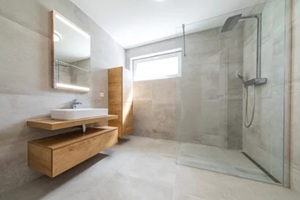
      modern bathroom remodel with natural stone flooring

      Choosing the right materials for a bathroom remodel is one of the most important decisions that homeowners can make for this project. The materials have the ability to enhance the appeal of the room while increasing its durability. This is significant for bathroom remodeling beyond functionality as the high-humidity environment can damage certain materials, leading to costly repairs.

      This blog explains the pros and cons of various materials for a stylish and long-lasting bathroom design. For homeowners, designers, and more, take advantage of the step-by-step process included for choosing the right materials for the job.

      The Benefits of Choosing the Right Materials

      Bathrooms are harsh environments for certain materials due to rapid temperature changes, high moisture and humidity, and daily use. The wrong materials can experience excessive wear and tear that reduces longevity and leads to undesirable results, including:

      • Mold growth due to excess moisture
      • Warping due to exposure to water and heat
      • Staining due to chemical products, spills, and temperature changes
      • Deterioration due to daily wear and tear

      The right material choice can avoid these results by providing a long-lasting, low-maintenance bathroom design. Designers and homeowners investing in high-quality materials will reduce the need for costly repairs and remodels later. However, this requires knowing the difference between material types and the advantages they present to a modern bathroom design.

      Key Material Types to Consider

      These material types are the primary choices available to homeowners and designers as they plan their bathroom remodels. Choosing how each is implemented warrants careful consideration to avoid costly mistakes and unnecessary repairs.

      Stone

      Natural stone is a popular choice for bathroom floors because it is non-porous, water-resistant, and easy to maintain. Popular choices for bathrooms include granite, quartz, and other earth-toned stone. Stone provides a truly long-lasting construction to create bathroom floors that will last decades or even generations.

      The applications of stone are not limited to floors, and can be used to commission high-end fixtures, counters, vanities, and more. Natural stone accents can bring out the charm and sophistication of a bathroom wall while maximizing its durability. For homeowners with the budget to spare, natural stone is a premier choice for long-lasting designs. 

      Hardwood

      Since bathroom floors and walls need to be moisture-resistant, most designers decide against hardwood. However, wood has a place in bathroom designs in potential cabinet or storage arrangement, using a moisture-resistant wood (such as teak) or a moisture-resistant finish. High-quality laminate can provide the look and feel of wooden flooring with added water resistance.

      Glass

      modern contemporary bathroom 3d render

      With high-quality glass tile, homeowners and designers can prioritize durability without sacrificing style. Glass tile can be used in several bathroom installations, including floors, shower walls, and accents. However, since glass tile will crack when drilled, designers must think ahead when implementing it.

      For enclosures like showers, the materials used for edging make a key difference in determining the viability of glass. Versatile designs can incorporate it creatively, provided they have expert guidance to account for its limitations.

      Tile

      Non-glass tile, usually made from ceramic or porcelain, is a common bathroom design choice for good reason. As both bathroom flooring and wall material, tile is easy to maintain and difficult to break. It resists moisture and temperature changes while providing a classic bathroom feel perfectly suited to everyday foot traffic.

      Steps to Choosing the Right Materials for Your Bathroom

      Homeowners can use these simple steps to choose the right materials for their bathroom remodels:

      1. Learn What You Like

      Bathroom designs should be durable, but they should also be appealing, fulfilling the vision that homeowners have for their space. Use online and real-world inspiration to determine the architectural look you want to help your designer match the vision to the right materials.

      2. Create a Plan

      A plan for a bathroom remodel should factor in the project’s limitations, goals, and budget. Different materials present different limits and costs that homeowners should understand before planning further.

      3. Itemize Different Fixtures

      Bathrooms are not remodeled in a single material; walls, floors, vanities, showers, and other fixtures should mix and match materials to deliver a balance between style, longevity, and cost. Experienced designers can help contextualize your vision for your space to determine which materials will work best for each aspect.

      Schedule Your Bathroom Remodel Design Consultation

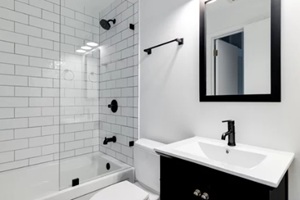
      small modern bathroom with a dark vanity, mirror frame, and hardware

      At Southern Maryland Kitchen & Bath, our experienced design team helps homeowners choose the right materials for their bathrooms to achieve their dream remodel. Our goal is to find a balance of materials that matches your stylistic vision and financial limitations while providing long-lasting functionality for years to come. For homeowners in Maryland, we make bathroom remodeling simple and reliable.

      Contact our team today to learn how we can help you choose durable materials for your bathroom to maximize style, balance, and longevity in your next bathroom remodel.

      Request Consultation

      Meet with one of our skilled project specialists to get started.

      "*" indicates required fields

      Name*
      Address*
      Services you are interested in*
      Drop files here or
      Accepted file types: jpg, png, jpeg, Max. file size: 100 MB.
        Consent

        Filed Under: Bath

        • « Go to Previous Page
        • Page 1
        • Page 2
        • Page 3
        • Page 4
        • Page 5
        • Page 6
        • Interim pages omitted …
        • Page 8
        • Go to Next Page »

        Primary Sidebar

        Get In Touch

        23415 Three Notch Road #2025
        California, MD 20619
        (301) 241-0702

        Link to company Facebook page

        Link to company LinkedIn page

        Link to company Instagram page

        Link to company Yelp page

        Link to company Houzz page

        Request Consultation

        Company

        • About Us
        • Blog
        • Careers
        • Contact
        • Financing
        • Portfolio
        • Products
        • Reviews

        Services

        • Additions
        • Basement Remodeling
        • Bathroom Remodeling
        • Custom Closets & Cabinetry
        • Design Retainer
        • Flooring Services
        • Kitchen Remodeling
        • All Services
        Southern Maryland Kitchen, Bath, Floors, & Design logo light

        © 2026 Southern Maryland Kitchen Bath Floors & Design|Powered by 321 Web Marketing|Privacy|Accessibility

        Synchrony Bank logo
        Mastercard logo
        VISA logo
        American Express logo
        Discover logo