

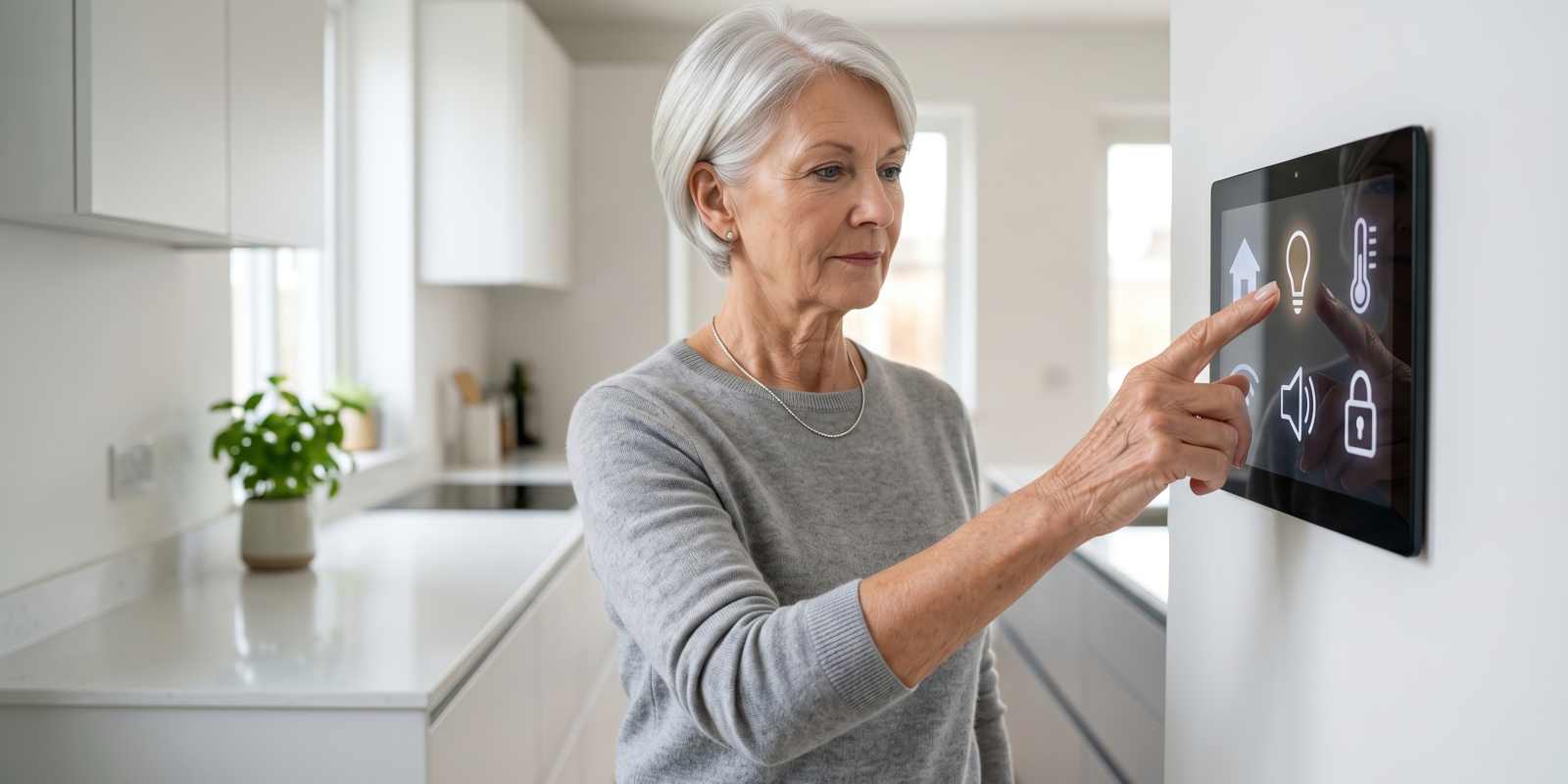
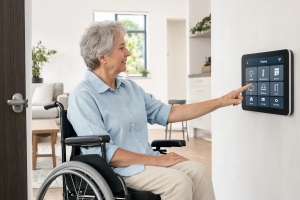
Even after her father fell while living alone in his Waldorf home, Sarah knew that he wouldn’t want to move. Her main concern was whether she could make the home he loved safe enough for him without expensive renovations.
Sarah’s situation is familiar to many families whose senior loved ones want to stay in their family home, even as new safety concerns make aging in place more challenging. Children want to respect their older parents’ independence, but they lose sleep thinking about that one fall or that one missed medication that could turn their whole world upside down.
Smart technology can help adult children extend their senior parents’ independence with the right remodeling choices. The right devices can reduce real risks and give the family more confidence without significantly altering the senior’s daily routine.
Several smart home technology options help you make the right call for your parent, spouse, patient, or out-of-state family member so they can age in place as safely as possible.
What Problems Does Smart Home Technology Actually Solve for Aging in Place?
Aging in place is well-known to have psychological benefits for seniors, stemming from their mental comfort and physical familiarity with their surroundings. Many elderly adults never plan to leave their current home, even after losing their spouse or after their family moves farther away.
However, this independence comes at the cost of these and other risks:
- Falling or getting hurt
- Missing medications
- Having a cooking accident
- Feeling isolated
- Delaying emergency responses
Smart technology can intervene to help some seniors age safely in their homes without making their homes feel overly complicated or unfamiliar. The goal is not to accumulate gadgets but to make sensible investments in safety.
What Devices Make the Biggest Difference for Safety?
The devices with the biggest impact on safety address the highest safety risks first. Falling is often the most prevalent worry for seniors and their families. Motion-activated lighting is a simple change that can make a difference in their daily lives. Instead of fumbling for light switches, they can turn them on simply by walking into the room. Automatic stove shut-offs can be installed to make sure the stove isn’t accidentally left on and causes a home fire. Wristbands and other wearables can detect falls and remotely alert emergency personnel.
The devices that can offer meaningful peace of mind address issues that the individual is most likely to need help with. Seniors with memory changes may need different devices than those at risk for mobility issues. Most often, a combination of solutions is the best way to help them age in place with confidence.
How Does Smart Technology Help With Daily Routines and Medications?
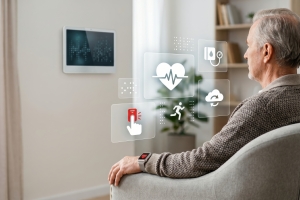
In addition to fall detection, smart technology can assist seniors with their daily routines, including medication assistance. Voice assistants can provide periodic reminders without requiring screen use or button navigation, which many seniors struggle with.
Some smart devices can even automatically dispense pills, track doses, and send alerts to a family member’s phone when a dose is missed. These devices can be effective yet subtle. They can provide family members with a “surveillance” tool for their loved one’s daily routine without making them feel their privacy is being invaded.
Can Technology Keep Families Connected and Reassured From a Distance?
In addition to fall detection and medication-tracking devices, other smart devices can help keep families in the loop about their loved ones’ activities and give them peace of mind. For example, video doorbells can be connected to an app that family members can check, and smart locks can give caregivers or EMTs easy access without the need for spare keys.
Remote monitoring can sometimes be misconstrued as an invasion of privacy. Reframe the devices as tools that provide peace of mind for you and your family, especially if you live outside Southern Maryland and can’t reach your family member in an emergency.
Where Does Technology Stop and Home Modification Begin?
Devices can help mitigate the damage from an accident, but they often don’t work until after it happens. For example, a fall detection device only activates after the person falls. Conversely, home modifications are designed to prevent accidents before they occur.
When done thoughtfully, these home modifications can be effective without being expensive or intrusive. Grab bars, integrated lighting, and zero-threshold showers are a few examples of how the right tech, combined with minor renovations, can keep your family members safe as they age in place.
Planning Your Next Step
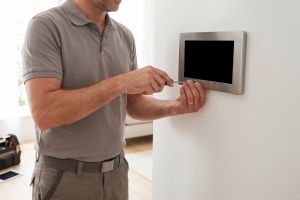
Before beginning your smart home technology upgrades or minor renovations, consider these simple questions:
- What are your senior family members’ biggest daily risks?
- How much surveillance are they willing to tolerate?
- What would bring you the most inner peace?
- What devices would they be comfortable using?
- What small improvements can be made to their home?
At Southern Maryland Kitchen & Bath, our Certified Aging-Place Specialist (CAPS) can help you plan simple home renovations that combine minor upgrades with smart home technology to maximize your loved one’s safety as they age in place. Schedule a free consultation with our specialist to learn how non-intrusive upgrades can help keep your family members safe at home.