
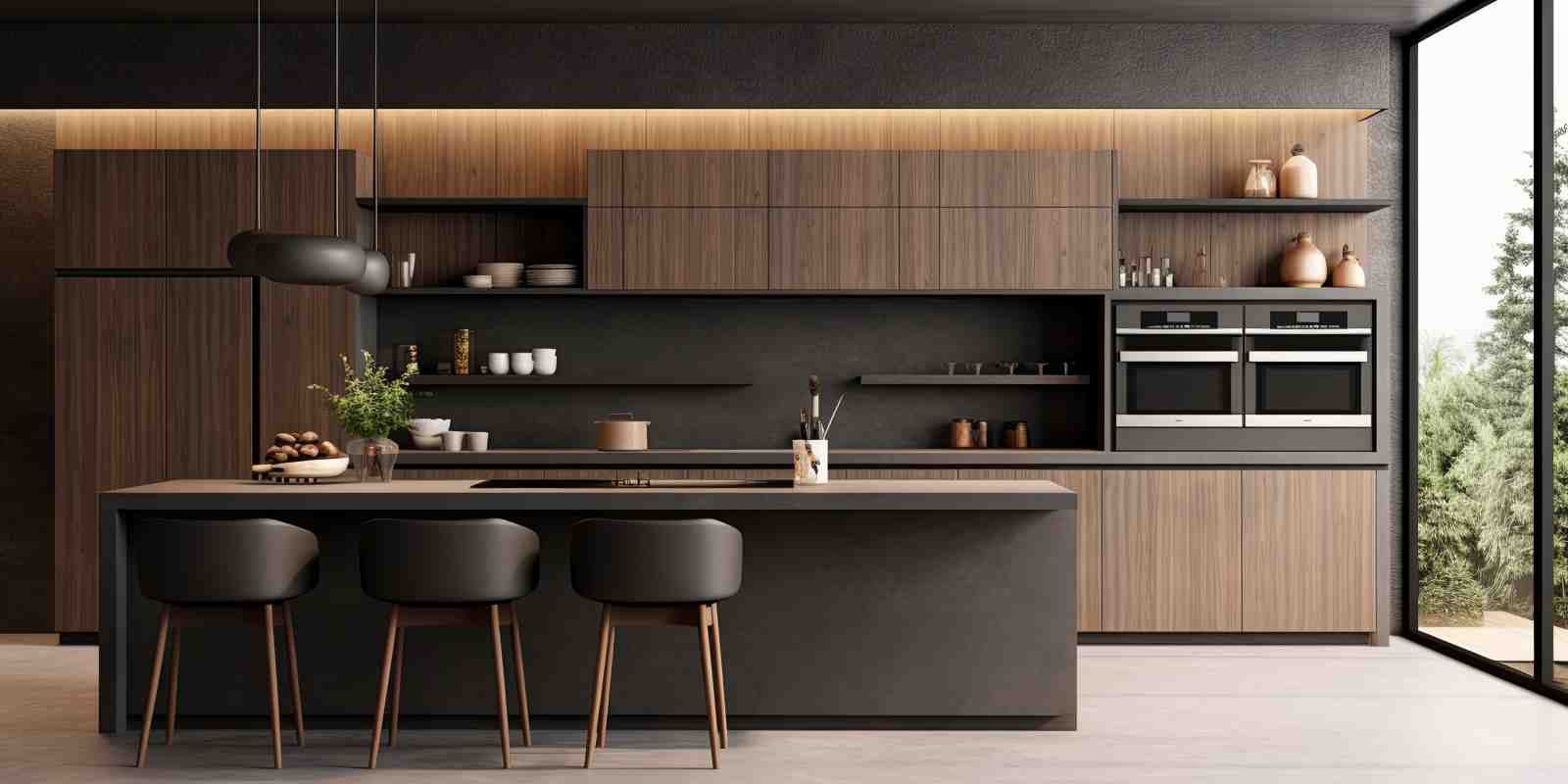
Kitchens have become the beating heart of the modern home. They’re the cooking space, workspace, and social focal point wrapped into one room. For different lifestyles, kitchens can be adapted to fulfill these roles more effectively, and the approach a designer takes to each specific element can drastically affect the space’s ability to support residents’ desired routines.
This article takes a closer look at modern custom kitchen designs to offer homeowners strategic ideas for layout, materials, finishes, and features that fit their lifestyle. These steps help designers transform kitchens into the ideal space for their clients’ needs.
Recognize the Advantages of the Space
The first thing a kitchen designer does when customizing kitchens for a lifestyle is examine the space for its advantages. How much available area do they have to work with? What shapes fit the area best? Kitchens can be U-shaped, L-shaped, galley-style, and more. They can use islands of various sizes to break up the area and add utility without using up limited wall space.
This assessment will lead kitchen designers to the options that are available to achieve the homeowner’s vision. If the homeowner uses their kitchen for socializing, the designer will look for ways to incorporate a home bar, which, in a limited space, might take up the room normally reserved for a pantry. Once the qualities of the space are recognized, the designer and owner can work together to decide which features matter the most to their lifestyle.
Assess the Limitations of the Space
Assessing the kitchen’s limitations is as important as recognizing its advantages. In a space that lends itself well to an open-concept design, the designer may suggest a one-wall kitchen, augmented by an oversized island. These can also be useful in more contained spaces, especially with high walls. Storage, appliance displays, shelves, and hanging lights can trail up the walls to provide utility while preserving the limited counter space.
When assessing the kitchen’s limitations, the designer will look for features that would be difficult to incorporate. Not every kitchen can fit an island while maintaining a proper functional flow. Designers can create work surfaces in one-wall kitchens, partial islands, and other fixtures instead, if they can achieve the owner’s desired style. Agreeing on these limitations is a significant step toward collaboration between the designer and homeowner as they work together to adjust the vision to fit reality.
Choose the Right Materials and Finishes
While material and finish choices should align with an intended aesthetic, designers also strive to match the owner’s intended lifestyle. The connection between durability, style, and tone in material choices helps designers match the space’s usability to its family’s needs and habits.
For example, the kitchens of busy families often double as workstations, especially if someone in the family is a remote worker. Kids may be coming in and out in the mornings before school, dragging their books and bags across the counters. Laptops may be used on the countertop or island as people write things down, accidentally spill drinks, and more.
This high-traffic use calls for a material with low-maintenance resilience, such as quartz, which is durable and functional. By contrast, marble may be a better fit for kitchens that are more of a social showplace, prioritizing aesthetics. Tile, butcher block, laminates, and other materials all have their uses.
Some questions designers may ask to determine the right material choice for the household may include the number of residents, the typical morning activity, the frequency of social gatherings, and the age of the youngest member of the home. Even the cabinet materials may be changed to accommodate different needs. For example, a glossy lacquer cabinet may be beautiful, but it shows every scuff and fingerprint, which would be high-maintenance for a busy household. Matte cabinet finishes achieve a sleek, modern look without retaining every touch.
Integration is Key
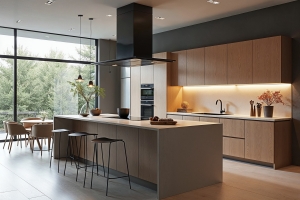
Modern kitchen designers look for ways to integrate lifestyle into design to suit a family’s needs. If technology is an important part of their flow, designers can recommend built-in charging stations, smart appliances, and hidden screens to enhance the space’s usability. If quiet dining or entertaining is prioritized, they may suggest built-in banquette seating with hidden storage to provide amenities without cluttering the space.
Local Design Teams Can Bring Your Vision to Life
Each kitchen deserves a distinct identity, but your family’s lifestyle can help guide the functional and aesthetic choices that make the most sense in your space. Every kitchen space comes with advantages and limitations that designers must acknowledge, work around, and overcome with their choice of layout and materials.
At Southern Maryland Kitchen & Bath, our team of in-house designers and contractors works with homeowners to achieve their intended vision and fit their ideal lifestyle through stylish yet functional design choices. Contact our team today to learn how to express your family’s needs in a freshly renovated or designed kitchen, regardless of its size or other limitations.